
September 2025

Home

How to Plan a Bathroom Remodel

Planning a bathroom remodel is an exciting opportunity to transform one of the most essential spaces in your home into something more functional and stylish. Whether you’re updating outdated fixtures, improving storage, or creating a spa-like atmosphere, careful planning ensures your project meets both practical needs and personal style. For inspiration, homeowners often explore small bathroom laundry room combo layout ideas that maximize space efficiency while keeping the design cohesive. Thinking through details like layout, lighting, and finishes early on makes it easier to avoid costly mistakes. With the right plan in place, your bathroom remodel can add comfort, value, and long-term satisfaction.

Setting a Budget and Goals

The first step in any bathroom remodel is deciding what you want and how much you’re willing to spend. A budget acts like your roadmap, helping you prioritize features such as new fixtures, better storage, or luxury upgrades like heated floors. At the same time, define your goals. Do you want a spa-like retreat or simply a fresh, functional space? Knowing your limits and ambitions upfront prevents scope creep and helps keep the project manageable.

Designing the Layout
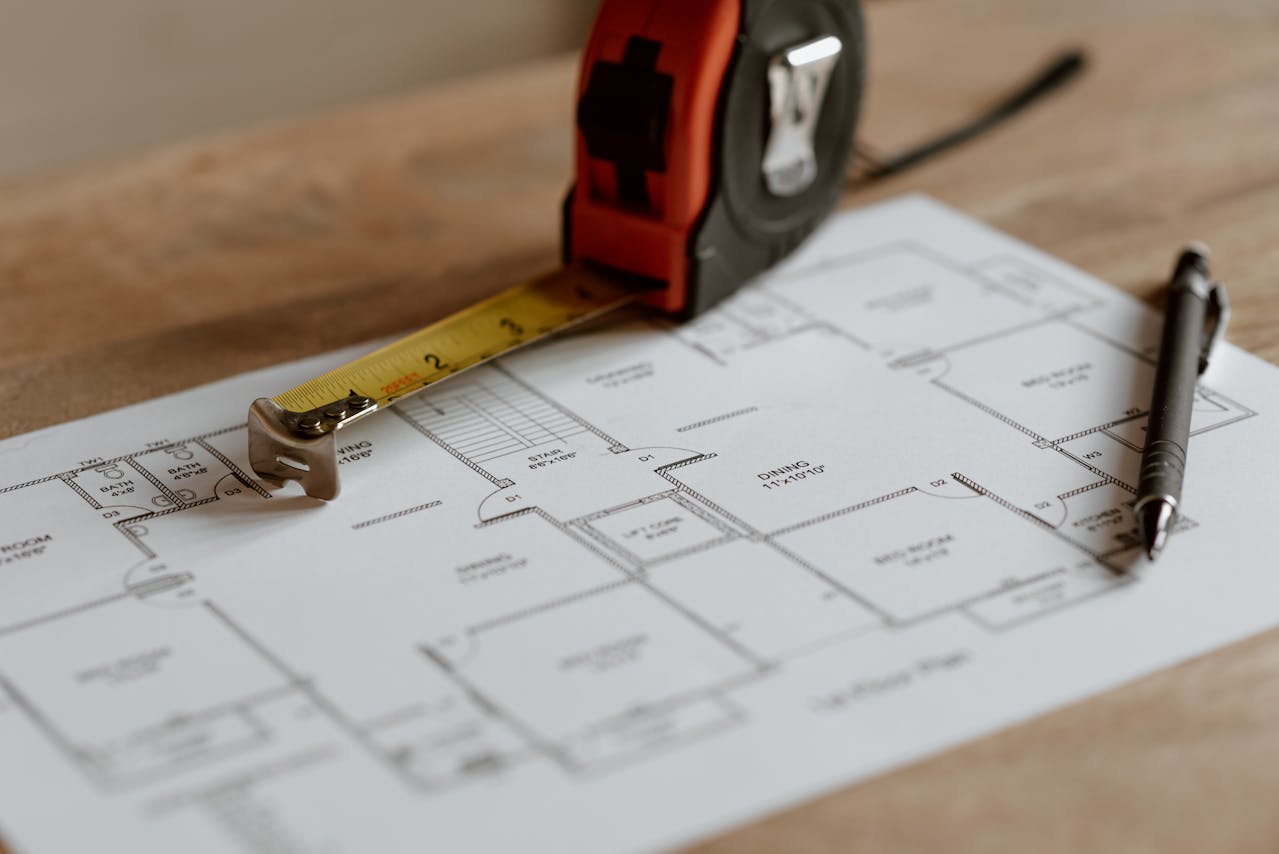
layout

Once your budget and goals are clear, focus on the layout. A bathroom’s design should balance aesthetics with function. Consider whether plumbing fixtures need to move, as relocating them can drive up costs significantly. Think about storage, lighting, and how traffic flows in the space. Even small changes can transform the room’s feel. Drawing a floor plan or working with a designer makes it easier to visualize your finished remodel.

Choosing Materials and Fixtures

Your material and fixture choices play a big role in both style and durability. Tiles, countertops, and vanities should fit your budget while enduring daily use. Look for moisture-resistant options that can handle the bathroom’s humid environment. When it comes to fixtures, such as faucets, sinks, and showerheads, balance aesthetics with efficiency. Modern water-saving fixtures not only reduce utility bills but also align with eco-friendly living. Mixing function with style ensures your bathroom feels fresh and practical.

Hiring Professionals or Going DIY

Decide early whether you’ll hire professionals or take the DIY route. Simple updates like painting or replacing hardware may be manageable for many homeowners. If you choose to work with contractors, gather multiple quotes, check references, and set clear timelines. Good communication ensures your remodel stays on track and reduces surprises.

Planning a bathroom remodel from start to finish requires a balance of vision, organization, and smart decision-making. From setting a budget and designing the layout to choosing durable materials and coordinating professional help, each step builds toward a smooth project. With thoughtful planning, the result is a bathroom that feels modern, functional, and customized to your lifestyle. Instead of dreading the process, you’ll be able to enjoy the transformation and the comfort of your refreshed space for years to come.…


Home

Landscape Lighting for Winter: Brighten Your Outdoors During the Cold Months

Winter’s chill can make your outdoor space feel bleak, but there’s a way to bring some life back into it: landscape lighting. During the darker months, landscape lighting isn’t just about aesthetics; it plays a key role in outdoor upgrades that highlight the safety and atmosphere of your home’s exterior.

Whether you’re hosting holiday parties or simply want to add some warmth to your yard, outdoor upgrades like winter landscape lighting are the way to go. But it’s not just about stringing up a few lights; the right approach can transform your entire outdoor space.

Adding Warmth and Ambiance With Proper Lighting

Winter landscapes can feel stark and uninspiring. But with the right lighting, your home’s exterior can glow in the evenings. Consider adding soft, warm lights around pathways, trees, or garden features. These lights can give your outdoor space a welcoming vibe, making it a cozy spot for evening relaxation or a festive environment for seasonal gatherings. Strategically placed lights can also highlight specific features in your garden, such as sculptures, fountains, or architectural details, creating a visual masterpiece even on the coldest nights. Instead of harsh, cold lighting, go for amber or soft white bulbs to maintain a warm, inviting atmosphere.

Highlighting Safety and Visibility

One of the main reasons to invest in winter landscape lighting is for safety. The dark winter months can make it difficult to navigate your property, especially when frost and ice are present. Pathway lights can guide guests safely to your door while preventing any slips or falls. Not only does winter lighting improve the safety of your outdoor areas, but it can also act as a deterrent to potential burglars. A well-lit yard with illuminated entryways signals that someone is home, making your property less appealing to intruders.

bright vision

Choosing the Right Fixtures for Your Space

Choosing the right lighting fixtures for winter requires selecting products that can handle the tough outdoor conditions. Lighting for the outdoors should be sturdy, weatherproof, and capable of withstanding the colder season. LED lights are a great option, as they use less energy and are built to survive even the most extreme weather. For a more refined look, consider adding spotlights to highlight your favorite trees or shrubbery, or uplighting for a dramatic effect. Additionally, low-voltage lighting is a great choice for winter since it provides a soft, glowing effect without being too overpowering. The key is to choose lights that complement the design of your home.

Enhancing Curb Appeal

While DIY landscape lighting can be tempting, there’s a reason why hiring a professional makes all the difference. A professional will understand the balance between form and function, making sure your lights are not only aesthetically pleasing but also practical. Expert lighting installation can also save you time and effort. With professional winter landscape lighting, your property can shine bright even in the darkest days of winter. Whether you want to enhance curb appeal, boost safety, or simply add a touch of elegance to your outdoor space, …

Home

Why Prefabricated Houses Are the Future of Affordable Living

The housing market has undergone significant shifts in recent years, and affordability remains one of the biggest challenges for families worldwide. Rising construction costs, limited land availability, and economic uncertainty have made traditional homeownership increasingly difficult. Prefabricated houses, also known as prefab homes, are emerging as a practical solution that blends affordability with modern design and efficiency. Check out zeitundwert.de for comparison details between prefab and solid houses. As innovation continues to transform the housing sector, prefab homes are quickly gaining recognition as the future of accessible living.

Cost-Effective Construction

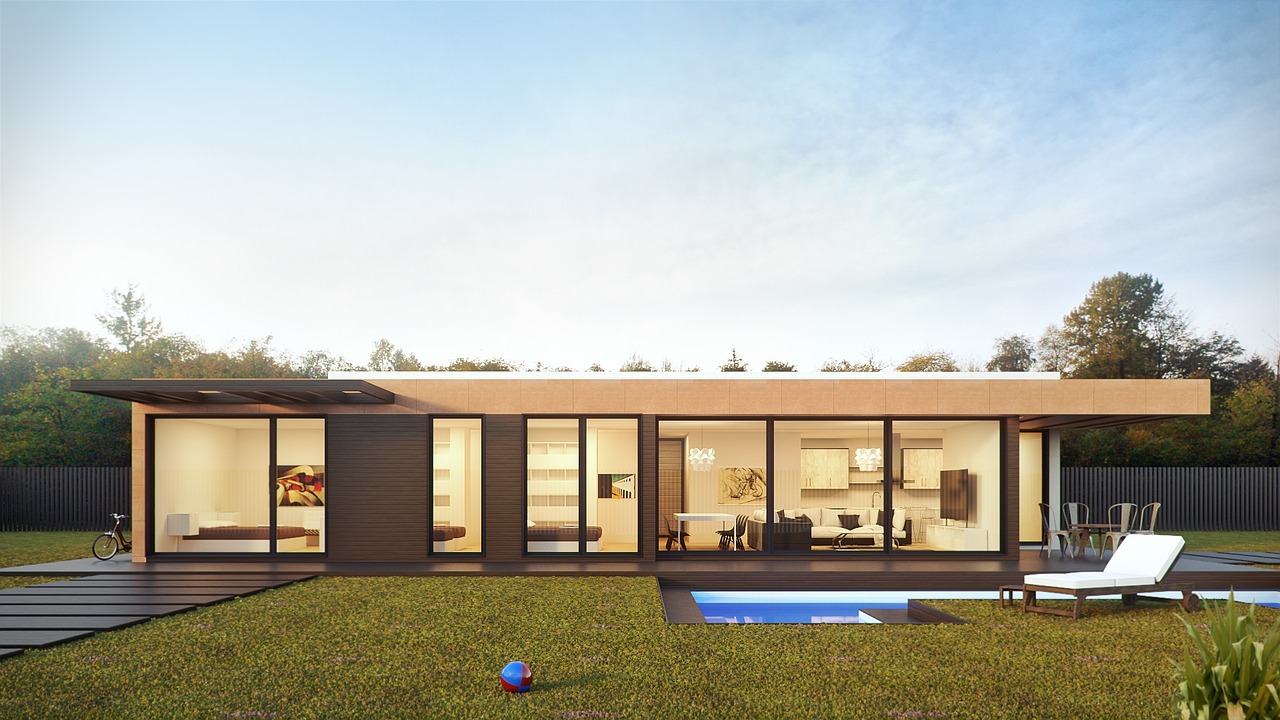
prefab One of the strongest advantages of prefabricated houses is affordability. Unlike traditional builds, where materials and labor costs can spiral out of control, prefab homes are produced in controlled factory environments. This process minimizes waste, reduces delays caused by weather, and ensures standardized quality. Homeowners can save significantly on both time and expenses, making prefab housing a more realistic option for those priced out of conventional markets.
Speed and Efficiency

Prefabricated houses can be constructed much faster than traditional homes. While standard builds may take several months or even years, prefab homes can be assembled on-site in a fraction of that time. For families looking to move quickly, this speed provides a distinct advantage. Faster completion also means lower labor costs, further boosting the affordability of these homes without compromising quality.

Sustainability and Eco-Friendliness

As sustainability becomes a priority, prefabricated housing is leading the way. The controlled production process reduces waste, while many prefab homes are designed with energy-efficient features, such as solar panels, smart insulation, and water-saving systems. These eco-friendly aspects not only reduce the environmental footprint but also lower utility costs for homeowners, making them both a financial and ecological win.

Design Flexibility and Modern Appeal

architecture

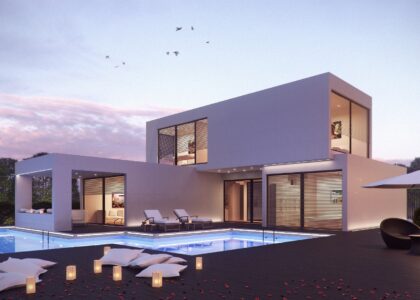
Gone are the days when prefab homes were viewed as plain or temporary solutions. Modern prefabricated houses are customizable, offering sleek architectural styles and layouts to suit different needs. From minimalist designs to spacious family homes, buyers can choose options that reflect their preferences. This flexibility allows prefab housing to appeal to a wide range of individuals, from young professionals to retirees.

The Role of Prefab Homes in the Future Housing Market

With urban populations growing and affordable housing shortages continuing, prefabricated houses are well-positioned to play a vital role in the future of real estate. Governments and developers are increasingly recognizing their potential as scalable solutions to housing crises. Their ability to provide cost-effective, eco-friendly, and stylish homes makes them a strong alternative to traditional housing methods.

Prefabricated houses combine affordability, speed, sustainability, and design flexibility, making them a cornerstone of modern housing solutions. As challenges in the housing market persist, prefab homes offer a practical pathway to affordable living without sacrificing quality or comfort. For individuals and families seeking a cost-effective yet stylish home, prefabricated houses are not just a trend but a glimpse into the future of accessible living.…

Home

Ecological Building and the Homes of Tomorrow

Sustainable living has shifted from being a trend to becoming an everyday expectation for homeowners. Reports on wz.de highlight how ecological building is setting a new standard for future housing. People are realizing that eco-friendly choices influence both their comfort and the planet’s health. This shift isn’t only about aesthetics or keeping up with neighbors. Ecological building is reshaping how homes are designed, constructed, and lived in, with long-term benefits for both residents and the environment. It reflects a growing desire for homes that are practical, comfortable, and mindful of the resources they consume.

Materials That Work With Nature

One of the cornerstones of ecological building is the use of renewable or recycled materials. Wood sourced from responsibly managed forests and recycled steel are gaining popularity in construction. These choices lower environmental impact while still offering durability. Synthetic materials, on the other hand, can leave a lasting mark on ecosystems. Builders are moving away from plastics and toxic finishes that harm both indoor air quality and outdoor environments. The shift shows that sustainable doesn’t have to mean fragile.

Energy Efficiency at the Core

Energy-smart designs go hand in hand with ecological construction. Solar panels, green roofs, and triple-glazed windows help reduce dependency on traditional power sources. For homeowners, that often translates into lower monthly bills. Homes are now being built to trap warmth in winter and stay cool in summer without over-reliance on air conditioners or heaters. Architects often place windows strategically to make the most of natural light. Smart placement and efficient insulation turn passive energy use into a daily benefit.

Water Conservation Practices

sprinkler

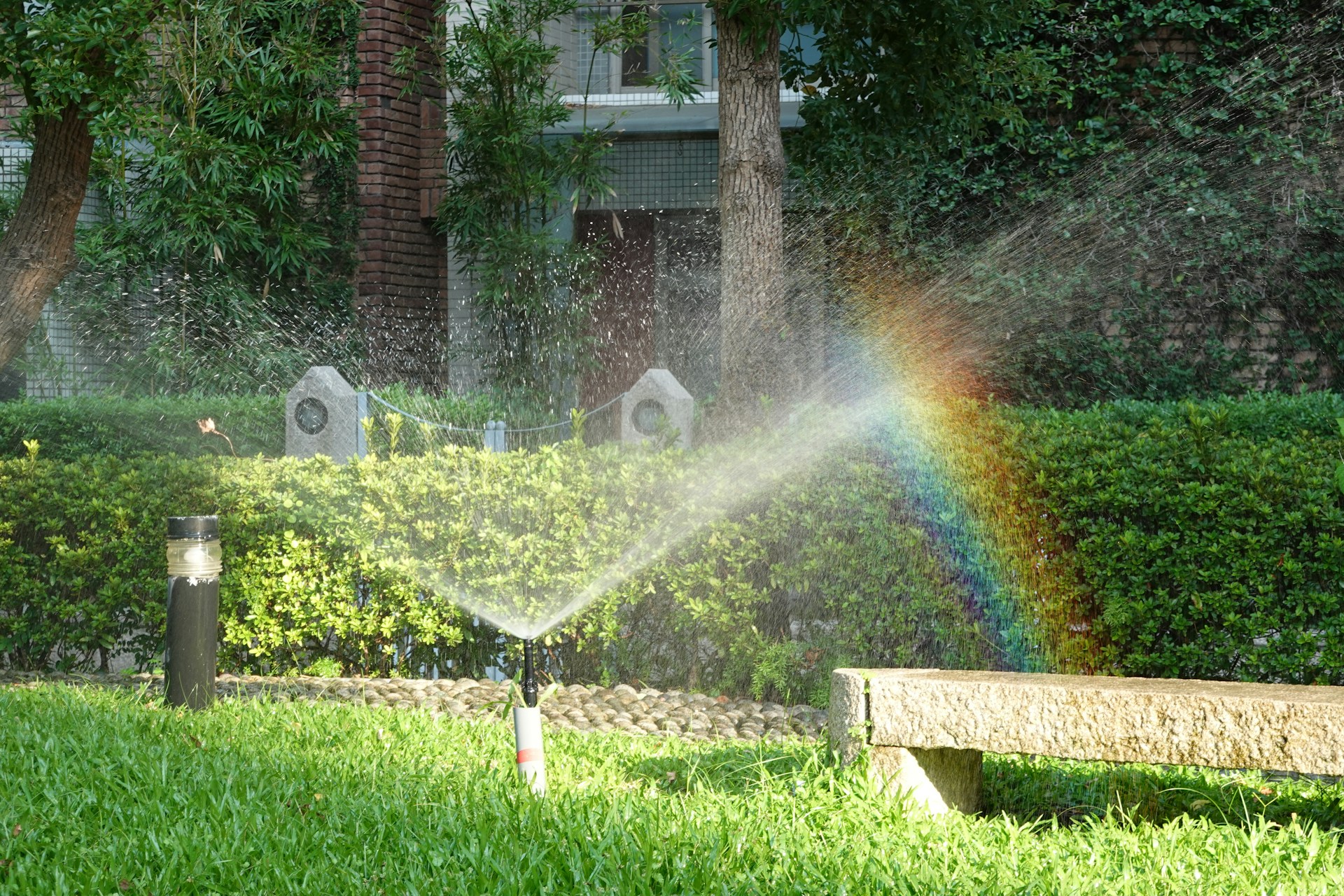
Water is another resource under pressure, and ecological building takes it seriously. Rainwater harvesting systems are becoming common in both urban and rural projects. These setups collect and filter rain for reuse in gardens or even household systems. Low-flow fixtures in bathrooms and kitchens also play a role. They reduce water waste without compromising comfort. By saving water at home, people contribute to easing strain on larger municipal systems.

Healthier Homes for Residents

Eco-friendly construction isn’t just about the environment; it’s also about people. Using paints free from harmful chemicals improves indoor air quality. Natural ventilation designs keep homes fresh without constant reliance on mechanical systems. A healthier house creates a better quality of life. Families benefit from fewer allergies, less exposure to toxins, and overall improved well-being. Building green isn’t only a global responsibility—it directly impacts daily living.

Looking Ahead to Greener Communities

The future points to entire neighborhoods adopting ecological standards. Shared solar grids, community gardens, and efficient waste systems are starting to pop up in housing developments. What used to sound like a utopia is becoming real brick by brick. As more people demand sustainability, builders and governments are taking notice. Policies, incentives, and even buyer preferences are driving this change. Soon, ecological building will no longer be an exception—it will be the rule.

Ecological building blends smart design with environmental awareness. Through renewable materials, efficient energy systems, water-saving solutions, and healthier …

Home

Why Flowers Matter in Real Estate Staging

When it comes to selling a home, first impressions are everything, and the smallest details often make the biggest difference. Real estate staging is not only about arranging furniture or choosing the right color palette—it’s also about creating an atmosphere that resonates with potential buyers. Flowers play a powerful role in this process by adding vibrancy, warmth, and a sense of life to any space. As highlighted in this article on flowers that convey emotion, different blooms can set distinct moods, from calm and welcoming to bold and energetic. By carefully selecting and placing arrangements, sellers can subtly influence how a home feels and how buyers connect with it. Ultimately, flowers aren’t just decorations; they are emotional cues that can transform a staged home into a space where someone can imagine their future.

Flowers Create an Inviting Atmosphere

flower

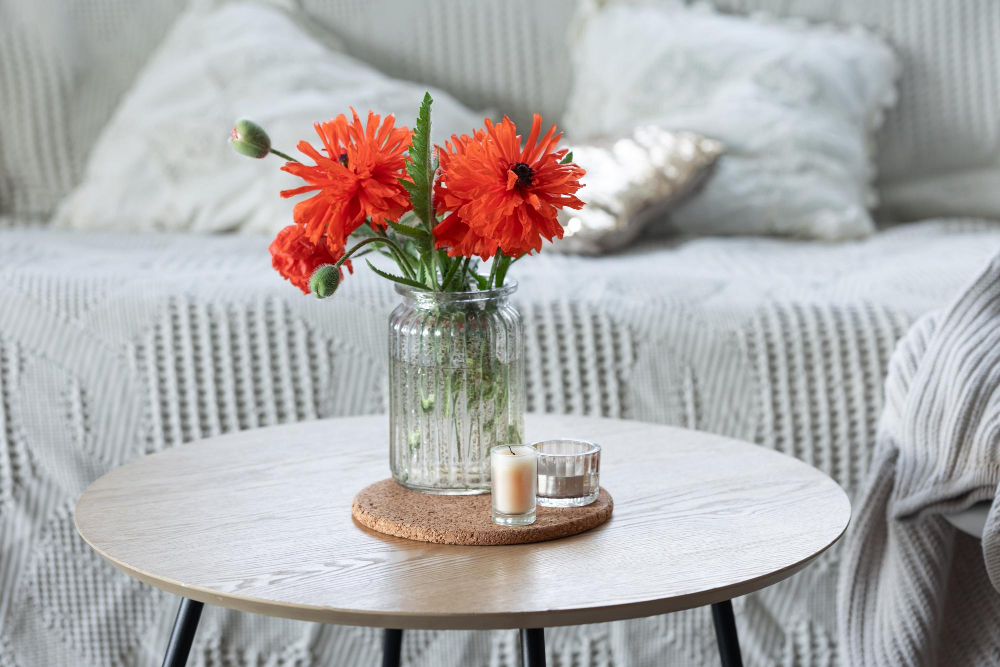
Walking into a house that features thoughtfully placed flowers instantly makes the space feel warm and welcoming. Flowers add vibrancy, softening the look of rooms that might otherwise appear cold or impersonal. This inviting touch can help buyers imagine themselves living in the space, increasing the emotional appeal that often drives purchase decisions.

They Highlight Key Features of a Home

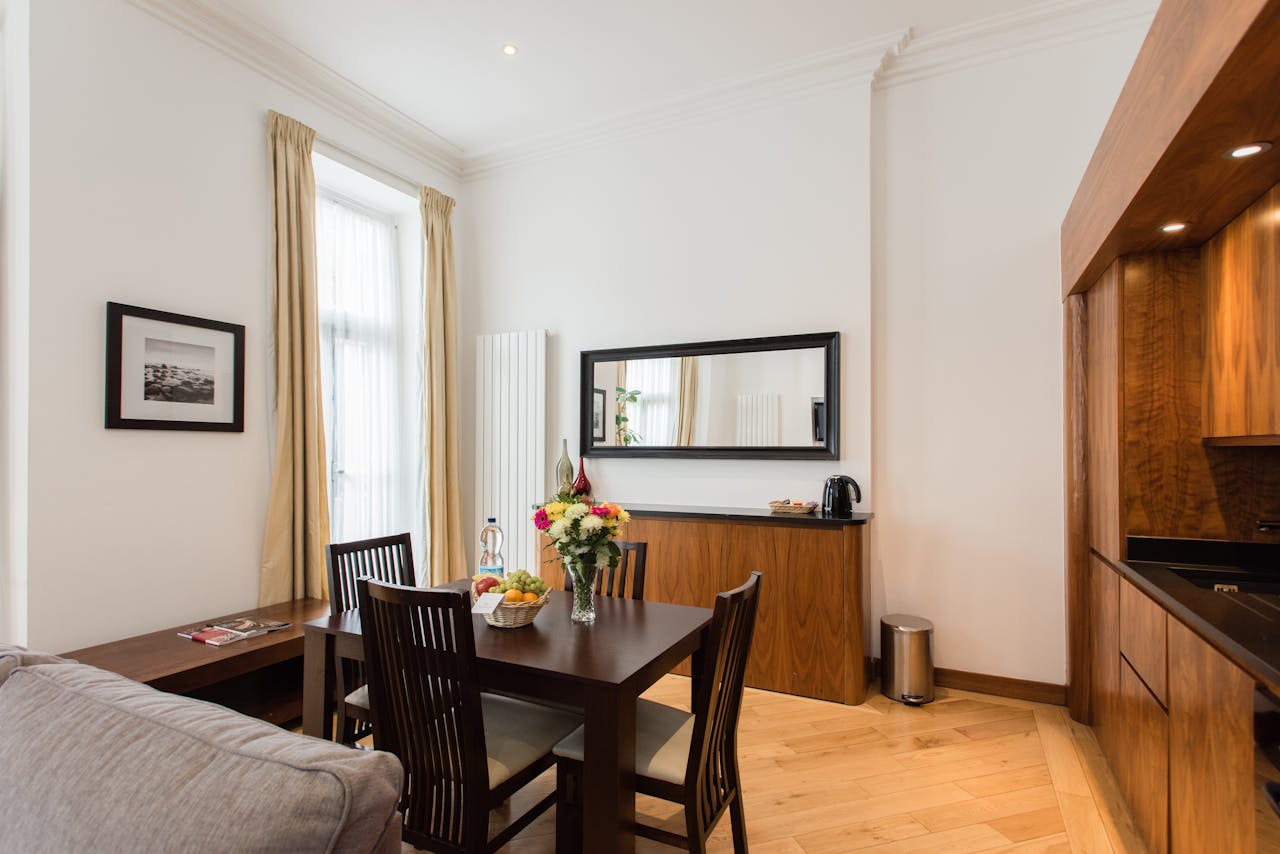
Flowers aren’t just about aesthetics; they can be used strategically to draw attention to the property’s best features. A vase of lilies on a kitchen island highlights the spaciousness of the area, while orchids in a bathroom can emphasize luxury and elegance. By carefully placing flowers, real estate agents and stagers guide buyers’ eyes to the details that matter most.

Fresh Flowers Signal Care and Attention

A staged home is more than furniture placement—it reflects how well a property has been maintained. Fresh flowers subtly communicate that the homeowner cares about presentation and detail. This perception often extends to the home itself, suggesting it has been equally well cared for, which reassures potential buyers about the property’s overall condition.

They Enhance Property Photos and Listings

flower

In today’s real estate market, online listings are often the first point of contact between buyers and homes. Flowers can make listing photos more visually appealing by adding pops of natural color and texture. This not only improves the aesthetic quality of the photos but also helps the property stand out from others on crowded real estate platforms.

Flowers Influence Mood and Perception

Studies show that flowers can positively impact mood, reducing stress and creating feelings of happiness. In a real estate setting, this means buyers walking through a flower-filled home are more likely to associate it with positive emotions. The psychological boost from flowers can make a property feel more memorable and increase the chances of buyers forming a favorable impression.

Flowers may seem like a small detail in real estate staging, but their impact is anything but minor. They enhance visual appeal, highlight a home’s best features, create a welcoming environment, and even influence buyers’ emotions. Whether displayed in photos or during open houses, flowers add an extra layer of charm and sophistication that …