

November 2025

Home

Home Renovations That Help Seniors Maintain Independence Longer

Aging in place requires thoughtful changes that allow seniors to live safely and comfortably. Simple upgrades can reduce hazards and support mobility. Tips like those in this senior lifestyle article explain how older adults benefit from independent living with fewer restrictions. Small adjustments in the home environment can make daily routines smoother and maintain confidence. Making a home easier to navigate keeps seniors active and engaged. Safety and convenience often go hand in hand.

Installing Grab Bars and Handrails

stairs Adding grab bars in bathrooms and hallways reduces the risk of falls. They provide support for getting in and out of the shower, sitting, or standing. Sturdy handrails along stairways create safer transitions between floors. These small interventions can prevent accidents and provide peace of mind. Placement matters more than style. Bars should be within easy reach and securely anchored. Seniors feel more confident moving around when support is readily available. Even a minimal investment in handrails can improve independence dramatically.

Lever-Style Door Handles and Faucet Upgrades

Twisting traditional knobs can strain arthritic hands. Lever-style handles make doors and cabinets easier to open. Similarly, single-lever faucets reduce difficulty in controlling water flow. Simple modifications like these decrease daily frustration and preserve autonomy. These upgrades are inexpensive yet highly practical. They allow seniors to perform tasks without relying on others. Adjustments that prioritize comfort improve the quality of daily routines. Ease of use directly supports independence.

Non-Slip Flooring and Improved Lighting

Slippery floors contribute significantly to accidents among older adults. Adding slip-resistant flooring in areas like kitchens and bathrooms can greatly lower this hazard. Well-lit stairways and corridors help prevent missteps. Clear, evenly distributed lighting allows seniors to spot obstacles easily and move safely. Lighting changes are especially valuable during nighttime activity. Motion-activated lights can guide movement safely. Combined with non-slip surfaces, these adjustments create a safer, more navigable home. They make simple walking feel secure and natural.

Bathroom Walk-In Showers and Adjustable Shower Seats
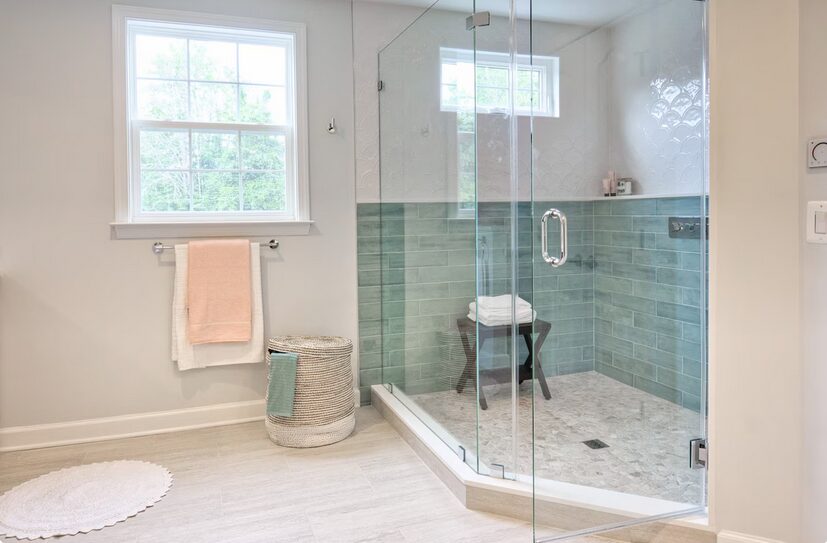
shower

Traditional bathtubs pose a challenge for older adults. Walk-in showers with low thresholds or curbless designs allow easier entry. Adding a foldable shower seat provides support while bathing. These renovations reduce strain and increase confidence in personal care. Additional features like handheld showerheads make bathing safer and more convenient. Seniors can maintain hygiene without discomfort or fear of falling. The bathroom becomes functional without being restrictive. Independence is preserved with thoughtful design.

Ramps and Step-Free Entryways

Stairs and elevated doorways can hinder mobility. Installing ramps or step-free entrances allows easy access to outdoor areas. Seniors can enter and exit safely with minimal assistance. These changes extend the usable space of the home. Ramps also accommodate walkers or small mobility scooters. Gentle slopes reduce exertion and make movement more comfortable. Outdoor enjoyment and social visits remain possible without compromise. A home designed for accessibility supports longer-term independence.

Thoughtful renovations empower seniors to remain active, safe, and self-sufficient. From grab bars to step-free entrances, these adjustments make daily life manageable. Independent living thrives when homes are adapted to …

Home

Kid-Friendly Faith Decor: Bringing Scripture Into Children’s Rooms

Creating a warm and faith-centered space for kids doesn’t have to feel complicated. Many parents want decor that sparks comfort, curiosity, and a sense of God’s love—without turning the room into something that feels too grown-up. That’s where small touches come in. You can use gentle colors, simple artwork, and pieces that encourage kids to ask questions and feel connected. If you’d like deeper ideas across your whole home, this article offers extra inspiration you might enjoy. Let’s walk through ways to make scripture part of a child’s room in a playful, heartfelt, and kid-ready style.

Soft Wall Art That Sparks Big Comfort

Wall art is often the easiest starting point because kids read what’s around them all the time. Short verses work best, especially those with reassuring themes. Think Psalms that calm anxious minds or Proverbs that guide little hearts. Place them at eye level so kids absorb the message without effort. Another approach is mixing scripture-based prints with illustrations. Animals, stars, and watercolor scenes help the verses feel friendly rather than formal. Many parents say this helps their children connect the words with comfort instead of feeling lectured. This style also keeps the room feeling fun rather than too serious.

Color Themes That Support Scripture Messages

Colors play a huge role in how kids absorb their environment. Soft blues, warm peaches, and gentle greens pair beautifully with scripture that encourages peace and comfort. These tones help the verses feel like part of the room instead of something added on top. Kids often respond well to colors that calm their minds during busy days. For energetic children, brighter accent colors can frame verses about courage or joy. Pairing a bold color with a short, encouraging passage can make a child feel braver during tough moments. Even simple frames in vivid shades can shift the energy of the room. The trick is balancing visual fun with steady spiritual reminders.

Scripture in Everyday Objects Kids Actually Use

wall art

Kids love interaction, so decor they touch or move makes faith feel part of their daily rhythm. Plush pillows with short verses can make bedtime feel more grounded. Kids might hug them during nighttime stories or morning wake-ups. These small habits help scripture become familiar and soothing. Storage bins or fabric baskets with Bible-inspired phrases are another subtle option. They look cute and serve a real purpose, which makes them a win for parents tired of stepping on blocks. Even a lamp with a printed verse can shape a nighttime routine. This way, scripture becomes something a child sees before sleep and after sunrise.

Scripture That Grows With Your Child

Kids change fast, so choose verses that can grow alongside them. Short, encouraging passages stay useful as kids move from toddler life to school years. You can swap frames, colors, or styles while keeping the same verse. This helps your decor evolve while still grounding the room in faith. You can also rotate scripture seasonally to keep things fresh. Parents often say their kids …

Home

Cozy Corners: Decorating Your Reading Nook With Personalized Designs

A reading nook is one of those tiny home treats that feels simple yet surprisingly transformative. It becomes even better when you sprinkle in pieces tied to your personality, which is where items from home décor etsy can bring in charm without feeling forced. A well-built nook can shift the whole mood of your space. It gives your room a calm pocket that feels worlds away from your regular routine. People often assume you need a massive renovation for a cozy corner, but that is miles from true. You just need a little planning. Good lighting, thoughtful textures, and pieces that feel like you matter far more than square footage.

Set The Mood With Perfect Lighting

Lighting is the first thing that shapes how your nook feels. Bright overhead lights can kill the vibe instantly. Soft lamps or warm bulbs create a calmer atmosphere that lets your mind settle into reading mode. Think of lighting as the quiet handshake that welcomes you into the space. Layering light can boost the vibe, too. A small table lamp paired with a subtle glow nearby is usually enough. The trick is to avoid anything harsh or clinical. You want the kind of light that whispers instead of shouts. Different materials help diffuse brightness. Fabric shades add warmth. Glass lamps give a cleaner look.

Choose Textures That Feel Like Home

decorative textures

Textures build comfort faster than any fancy furniture piece. Soft blankets, plush cushions, and gentle fabrics give your nook that inviting feel. You sit down, and your shoulders relax without effort. That kind of comfort is priceless. Mixing textures makes your corner visually engaging. A smooth throw paired with a chunky knit pillow creates contrast that feels intentional. You do not need expensive items to make this work. Even simple pieces can create a surprisingly layered effect. Comfort supports consistency. When your nook feels good, you use it more often.

Add Wall Art That Speaks to Your Story

Blank walls make a nook feel unfinished. Wall art fills that gap with personality. Posters, prints, or illustrations can shift the entire mood of the space. It makes the nook feel like yours instead of a random corner. Personal art adds emotional weight. Maybe it is an image connected to a memory. Maybe it is an abstract piece that sparks a little joy. Whatever it is, it brings your story into the space in a subtle way. Art placement matters too. Keep pieces at eye level when seated so the visuals meet you naturally. It adds flow and avoids awkward angles. A balanced arrangement gives your nook a steady sense of design.

Bring in Small Décor Pieces With Purpose

decor items

Tiny accents can elevate your nook more than people expect. A candle with a soft scent adds atmosphere. A small plant adds a fresh spark of life. Little details operate like quiet supporting characters in your cozy scene. Purposeful pieces matter because clutter kills relaxation. Choose only items that earn their spot. Think of it like casting …

Home

The Role of Home Sewer Line Inspections in Preventing Odors and Costly Repairs

Sewer issues may start small, but they rarely stay that way. Homeowners often notice subtle warning signs long before a major problem appears. For example, a dålig lukt avlopp can signal trouble deep within the sewer line. A home sewer line inspection helps uncover these concerns early. It gives homeowners a clear look at what is happening underground. This preventive step protects the home, prevents foul smells, and helps avoid major repair expenses.

The Purpose of Sewer Line Inspections

A sewer line inspection is a detailed check of the pipes that carry wastewater away from the home. Professionals use specialized cameras to see inside these lines. The camera footage shows cracks, blockages, root intrusion, and buildup. This process gives a unique view that cannot be achieved through surface-level checks. It helps identify problems that would otherwise remain hidden. With this information, homeowners can plan necessary repairs before the issue escalates.

How Inspections Help Prevent Persistent Odors

home inspection

Unpleasant sewer odors often indicate that something is wrong. These smells may drift indoors or linger around the yard. They can make everyday living uncomfortable. An inspection helps detect the source. Sometimes the cause is a clog that traps waste. Other times, it might be a cracked pipe leaking gases into the soil. Inspections highlight the problem so professionals can fix it quickly. This approach helps ensure a clean and healthy home environment.

The Connection Between Early Detection and Cost Savings

Sewer repairs can be expensive when problems reach an advanced stage. Major blockages may require excavation. Damaged lines might need replacement. These repairs disrupt daily life and strain budgets. Early inspections minimize the risk of such outcomes. By spotting early damage, the homeowner can address the problem with simpler and more affordable solutions. This strategy helps maintain the system’s stability while reducing long-term expenses. Routine inspections are a strong investment in the home’s future.

Common Issues Found During Sewer Line Checks

pipe

Inspections often reveal patterns that appear in many homes. Tree roots are one of the most common issues. Roots grow toward moisture and may break into the line, causing blockages. Another issue is pipe corrosion. Over time, older metal pipes weaken and develop holes. Grease buildup also creates trouble, especially in kitchens. Foreign objects sometimes become lodged in the line. Each problem may seem minor at first, but it can escalate. Inspections bring these issues to light so homeowners can take prompt action.

Why Regular Maintenance Helps Avoid Emergencies

Sewer emergencies rarely happen without warning. Most problems develop slowly. When homeowners schedule routine inspections, they maintain control over their plumbing system. Regular checks allow professionals to monitor changes over time. They can compare past recordings to identify new concerns. This level of care provides homeowners with the utmost confidence. It keeps the system functioning properly and reduces stress. Preventive maintenance is far easier to manage than unexpected breakdowns.

The Process of a Professional Sewer Line Inspection

inspection process

The inspection begins with a technician locating the main sewer access point. A small camera attached …