
Signs You Need to Upgrade Your Home Wiring
Old or faulty wiring can pose serious safety risks, yet many homeowners overlook the signs that an upgrade is necessary until problems become urgent. Flickering lights, frequent circuit breaker trips, and unusual burning smells are all indicators that your electrical system may be struggling to meet modern demands. Consulting a qualified electrician can help identify underlying issues and recommend the safest, most effective solutions. Timely upgrades not only prevent hazards like electrical fires but also improve energy efficiency and accommodate new appliances. This article examines the key signs that it’s time to update your home wiring and offers guidance on taking action before minor problems turn into major dangers.
Frequent Circuit Breaker Trips
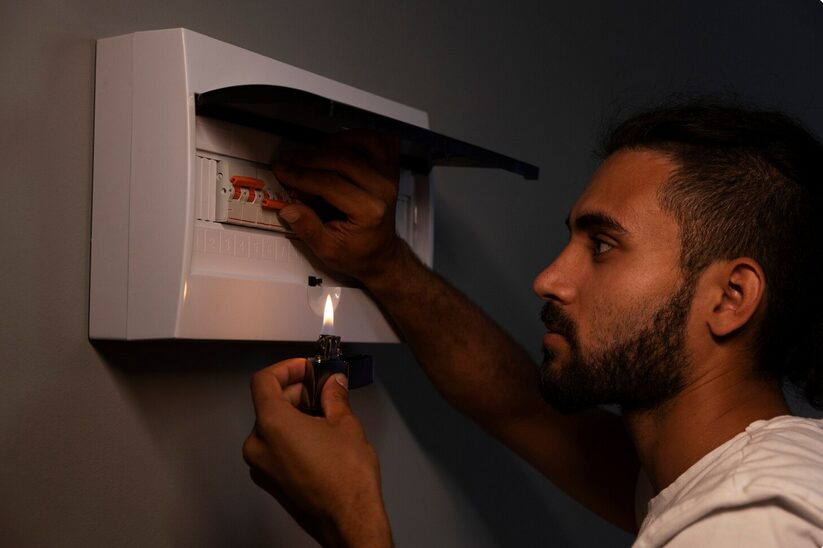
One of the most common signs that home wiring may be outdated or insufficient is repeated circuit breaker tripping. Circuit breakers are designed to prevent overloading and protect wiring from overheating. If breakers trip frequently during normal use, it could indicate that the wiring cannot handle the household’s electrical load or that circuits are improperly configured. Ignoring this warning increases the risk of overheating, which may lead to fire hazards and damage to appliances.
Flickering or Dimming Lights
Lights that flicker or dim unexpectedly are often an early warning of wiring problems. This can occur when circuits are overloaded, connections are loose, or wires have degraded over time. While occasional flickering may be attributed to external factors, such as utility provider voltage fluctuations, persistent or widespread issues within the home suggest that the electrical system is struggling to distribute power effectively. Addressing the problem promptly helps prevent further deterioration and maintains consistent performance.
Frequent Electrical Shocks or Tingling
Experiencing mild shocks when touching appliances, switches, or outlets is a serious indicator of electrical issues. This can result from faulty grounding, damaged insulation, or improper wiring connections. Even minor shocks should not be ignored, as they reflect potential hazards that could lead to severe injury or fire. Immediate evaluation by a qualified professional is necessary to identify the source and determine whether wiring upgrades are required.
Outdated Wiring Systems
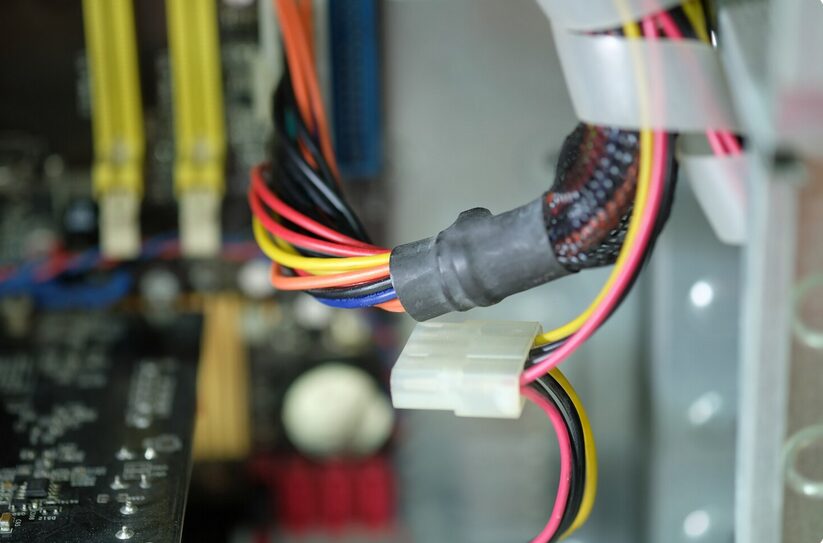
Homes with very old wiring, such as knob-and-tube or aluminum wiring, are more prone to safety concerns. These systems were not designed to accommodate the high energy consumption of modern households. Aluminum wiring, in particular, can oxidize and create loose connections, while knob-and-tube wiring lacks proper grounding. Identifying outdated materials and replacing them with modern copper wiring improves both safety and efficiency, reducing the likelihood of electrical faults and hazards.
Overreliance on Extension Cords and Power Strips
Frequent use of extension cords and power strips to power everyday appliances may indicate that the existing wiring is insufficient for current energy demands. While temporary solutions are convenient, they are not substitutes for properly wired circuits. Overloading circuits through these devices can lead to overheating, fires, and damage to appliances. Upgrading the home wiring to accommodate increased demand ensures that power is distributed safely and reliably throughout the household.
Recognizing the signs of outdated or inadequate home wiring is crucial for …
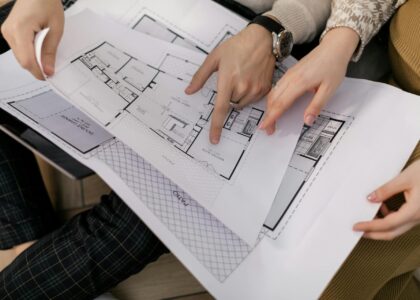
 A built-in office offers a structured environment tailored to focus and efficiency. Unlike multipurpose spaces, these offices are positioned and designed to minimize distractions and provide ergonomic considerations, such as natural lighting, adequate outlets, and storage solutions. In modern floor plans, they serve as hubs for professional and academic activities, enabling homeowners to maintain clear boundaries between work and living areas. This purposeful separation supports productivity and contributes to a home’s overall functional appeal, making it a valued feature in contemporary design.