

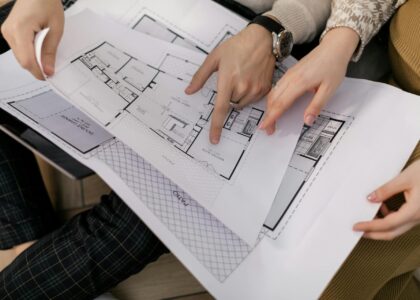
The Role of Built-In Offices in Modern Floor Plans
Modern floor plans are evolving to meet the changing needs of both homeowners and businesses, with functional spaces taking center stage. Among these, built-in offices have emerged as a key feature, offering convenience, privacy, and productivity without requiring additional construction. In areas with high demand for work-ready properties, such as the commercial property Waterfall, dedicated office spaces can significantly enhance a building’s appeal and market value. Understanding the role of built-in offices in contemporary design highlights how thoughtful planning improves daily usability while meeting professional needs, making these spaces a valuable component of modern architecture and real estate strategy.
Enhancing Daily Workflow and Productivity
 A built-in office offers a structured environment tailored to focus and efficiency. Unlike multipurpose spaces, these offices are positioned and designed to minimize distractions and provide ergonomic considerations, such as natural lighting, adequate outlets, and storage solutions. In modern floor plans, they serve as hubs for professional and academic activities, enabling homeowners to maintain clear boundaries between work and living areas. This purposeful separation supports productivity and contributes to a home’s overall functional appeal, making it a valued feature in contemporary design.
Integration With Overall Layout
Built-in offices are most effective when seamlessly integrated into the floor plan. Designers consider proximity to quiet zones, natural light sources, and household traffic patterns to ensure that the office complements rather than disrupts daily life. Open-concept homes may incorporate semi-enclosed workspaces or niches that provide visual separation while maintaining connectivity. Thoughtful placement enhances both utility and aesthetics, ensuring that the office feels like a cohesive part of the home rather than an afterthought. This integration is a key factor in how modern floor plans accommodate multiple lifestyle needs simultaneously.
Adaptability and Multi-Use Functionality
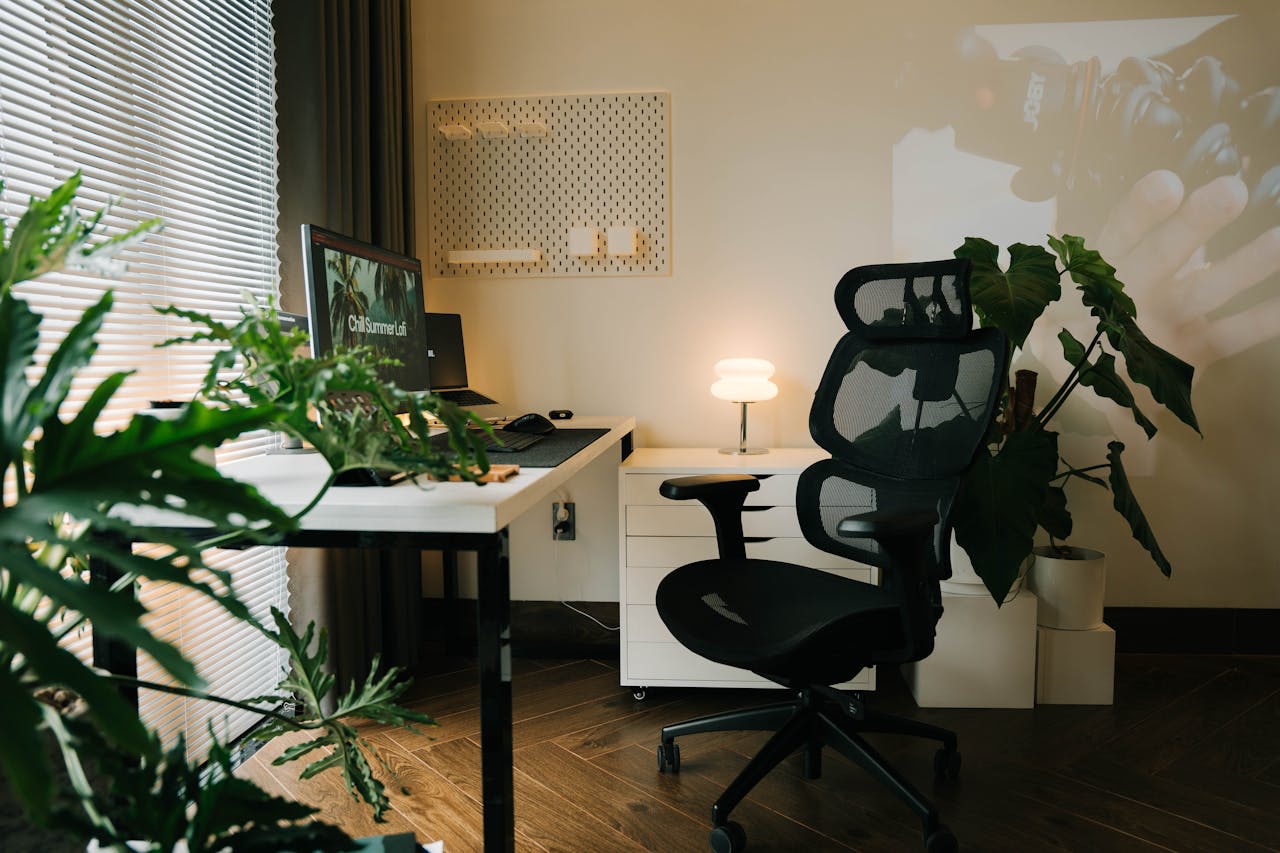
While built-in offices serve a primary work function, they are often designed for adaptability. They can be repurposed as study areas, hobby rooms, or additional storage when not in active use. This flexibility increases the perceived value of the space within the overall home layout, allowing homeowners to adjust as family needs and professional circumstances change. Modern floor plans emphasize such versatility, ensuring that every room contributes to both present and future functionality without compromising design cohesion.
Impact on Home Valuation and Market Appeal
The inclusion of built-in offices can influence how buyers and appraisers perceive a home’s value. Dedicated workspaces align with contemporary lifestyle trends and demonstrate thoughtful design that addresses practical needs. Homes with built-in offices may attract a wider range of buyers, particularly those seeking remote work accommodations. While the presence of an office does not automatically guarantee a higher appraisal, it enhances marketability and can make the property stand out in competitive real estate segments. Its impact is both practical and perceptual, reinforcing the home’s adaptability and modern appeal.
Built-in offices play a significant role in modern floor plans by addressing the evolving demands of work, study, and home functionality. They enhance productivity, integrate seamlessly with overall design, offer adaptability for multiple uses, and contribute to market appeal. As professional and …