
What $25K, $50K, or above $100K Gets You in Bathroom Remodeling
Let’s be honest. Bathroom numbers can feel shocking at first glance. The moment you start planning a bathroom remodel, costs stack up quickly, and expectations need grounding. Many homeowners review a detailed bathroom remodel guide before committing to premium finishes or layout changes. Budget size shapes everything, from tile choice to plumbing adjustments. Think of your investment like fuel. The more you have (horizontal), the farther you can go. But strategy still matters. So, here’s what you can get with your money for bathroom remodeling.
What $25K Can Realistically Deliver
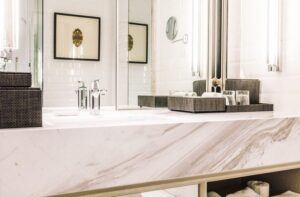 With a $25K budget, you are focusing on impactful surface upgrades. Plumbing usually stays where it is. That single decision keeps labor costs manageable. A new vanity with a stone countertop fits comfortably here. Updated fixtures in matte black or brushed brass add personality fast. Fresh porcelain flooring can replace worn vinyl without pushing the ceiling too high. Lighting upgrades create a dramatic shift. Swap old sconces for modern options, and the room suddenly feels brighter. A prefabricated shower with a clean glass door often fits within this tier. Custom cabinetry and major structural work remain out of reach. Still, the result feels refreshed and practical. It is a solid reset without tearing down walls.
What $50K Opens Up
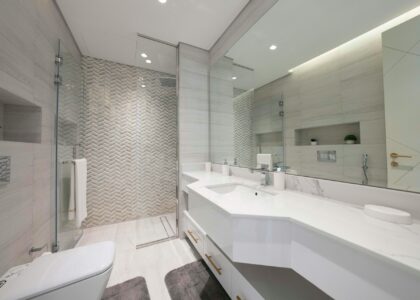
Step into the fifty thousand range, and flexibility increases. Small layout changes become possible. Moving a shower a few feet or expanding it slightly can fit the budget. Double vanities become common at this level. Frameless glass enclosures replace bulky shower frames. Tile selections expand into larger formats and more expressive patterns. You can introduce built-in niches for storage. Heated floors may be realistic depending on the square footage. Materials shift up in quality, and the room feels thoughtfully upgraded. This level balances design ambition with financial control. It looks intentional and cohesive.
What Above $100K Truly Means
Crossing into six figures transforms the conversation. Full layout redesigns are now achievable. Walls can move, and windows can grow. Custom cabinetry replaces off-the-shelf options. Natural stone slabs such as marble or quartzite often dominate surfaces. Steam showers and freestanding soaking tubs become everyday luxuries. Technology also plays a role. Digital shower controls, smart toilets, and layered lighting systems elevate comfort. Craftsmanship becomes a central factor because precision defines the final look. The space starts to resemble a private spa. It feels immersive and refined.
Hidden Costs You Should Not Ignore
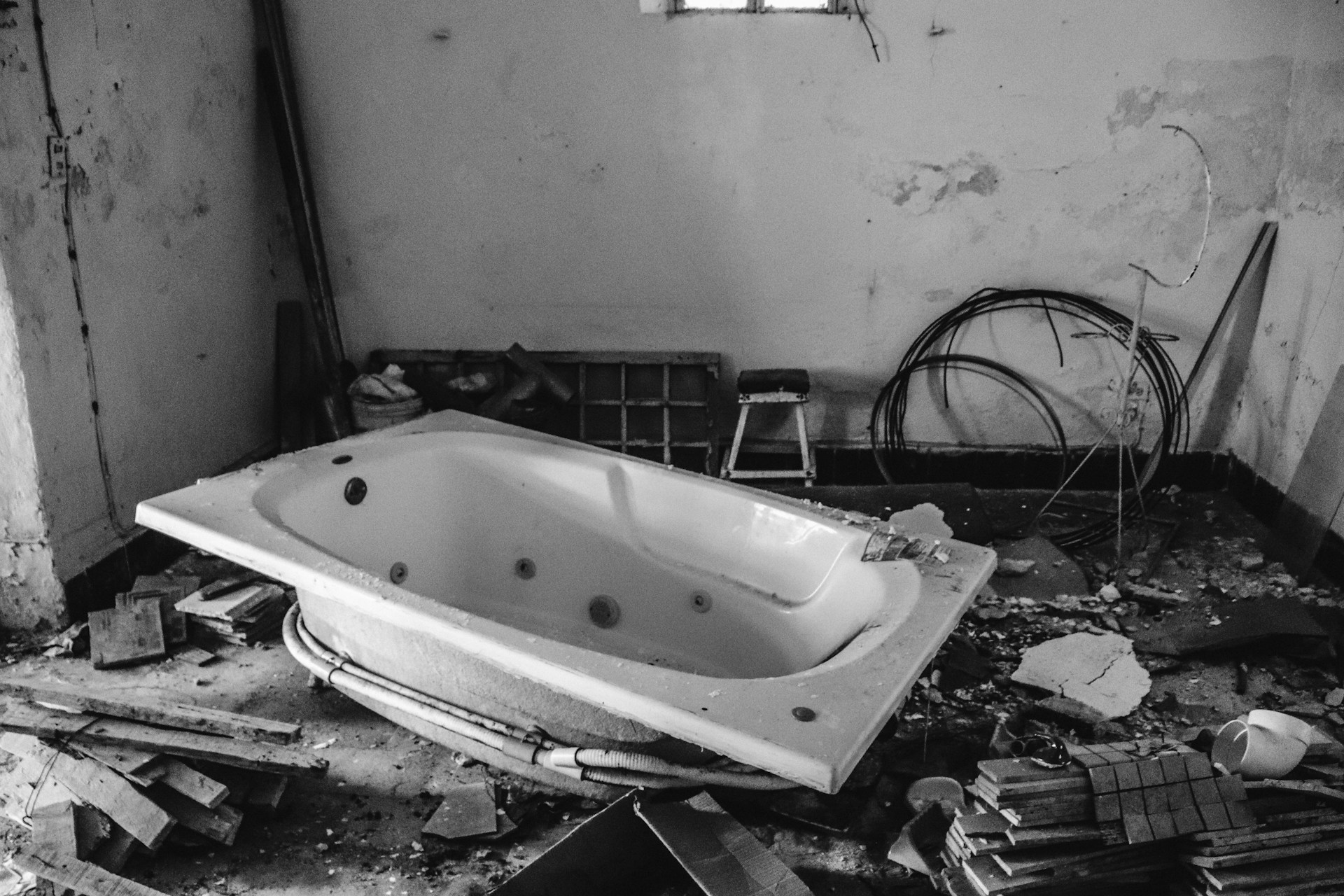
Even the best plan can wobble if hidden expenses sneak in. Permit charges, demolition surprises, and outdated plumbing behind walls can raise totals quickly. Older homes often reveal water damage or wiring that fails current codes. Setting aside a contingency fund of ten to fifteen percent keeps panic away.
How to Decide What Fits Your Life
Before locking in a number, examine your daily pain points. Is storage the biggest issue, or does the layout frustrate you? Write down essentials first. Separate wants from needs. This simple step prevents emotional spending. Long-term goals matter as well. If resale value sits on …