
What $25K, $50K, or above $100K Gets You in Bathroom Remodeling
Let’s be honest. Bathroom numbers can feel shocking at first glance. The moment you start planning a bathroom remodel, costs stack up quickly, and expectations need grounding. Many homeowners review a detailed bathroom remodel guide before committing to premium finishes or layout changes. Budget size shapes everything, from tile choice to plumbing adjustments. Think of your investment like fuel. The more you have (horizontal), the farther you can go. But strategy still matters. So, here’s what you can get with your money for bathroom remodeling.
What $25K Can Realistically Deliver
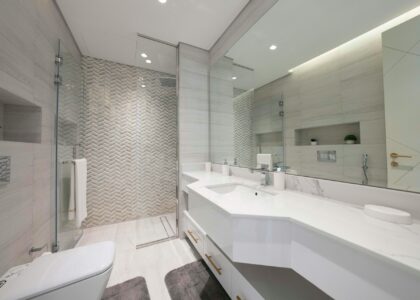
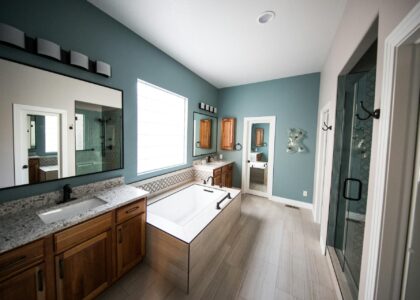
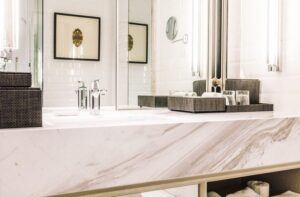 With a $25K budget, you are focusing on impactful surface upgrades. Plumbing usually stays where it is. That single decision keeps labor costs manageable. A new vanity with a stone countertop fits comfortably here. Updated fixtures in matte black or brushed brass add personality fast. Fresh porcelain flooring can replace worn vinyl without pushing the ceiling too high. Lighting upgrades create a dramatic shift. Swap old sconces for modern options, and the room suddenly feels brighter. A prefabricated shower with a clean glass door often fits within this tier. Custom cabinetry and major structural work remain out of reach. Still, the result feels refreshed and practical. It is a solid reset without tearing down walls.
What $50K Opens Up
Step into the fifty thousand range, and flexibility increases. Small layout changes become possible. Moving a shower a few feet or expanding it slightly can fit the budget. Double vanities become common at this level. Frameless glass enclosures replace bulky shower frames. Tile selections expand into larger formats and more expressive patterns. You can introduce built-in niches for storage. Heated floors may be realistic depending on the square footage. Materials shift up in quality, and the room feels thoughtfully upgraded. This level balances design ambition with financial control. It looks intentional and cohesive.
What Above $100K Truly Means
Crossing into six figures transforms the conversation. Full layout redesigns are now achievable. Walls can move, and windows can grow. Custom cabinetry replaces off-the-shelf options. Natural stone slabs such as marble or quartzite often dominate surfaces. Steam showers and freestanding soaking tubs become everyday luxuries. Technology also plays a role. Digital shower controls, smart toilets, and layered lighting systems elevate comfort. Craftsmanship becomes a central factor because precision defines the final look. The space starts to resemble a private spa. It feels immersive and refined.
Hidden Costs You Should Not Ignore
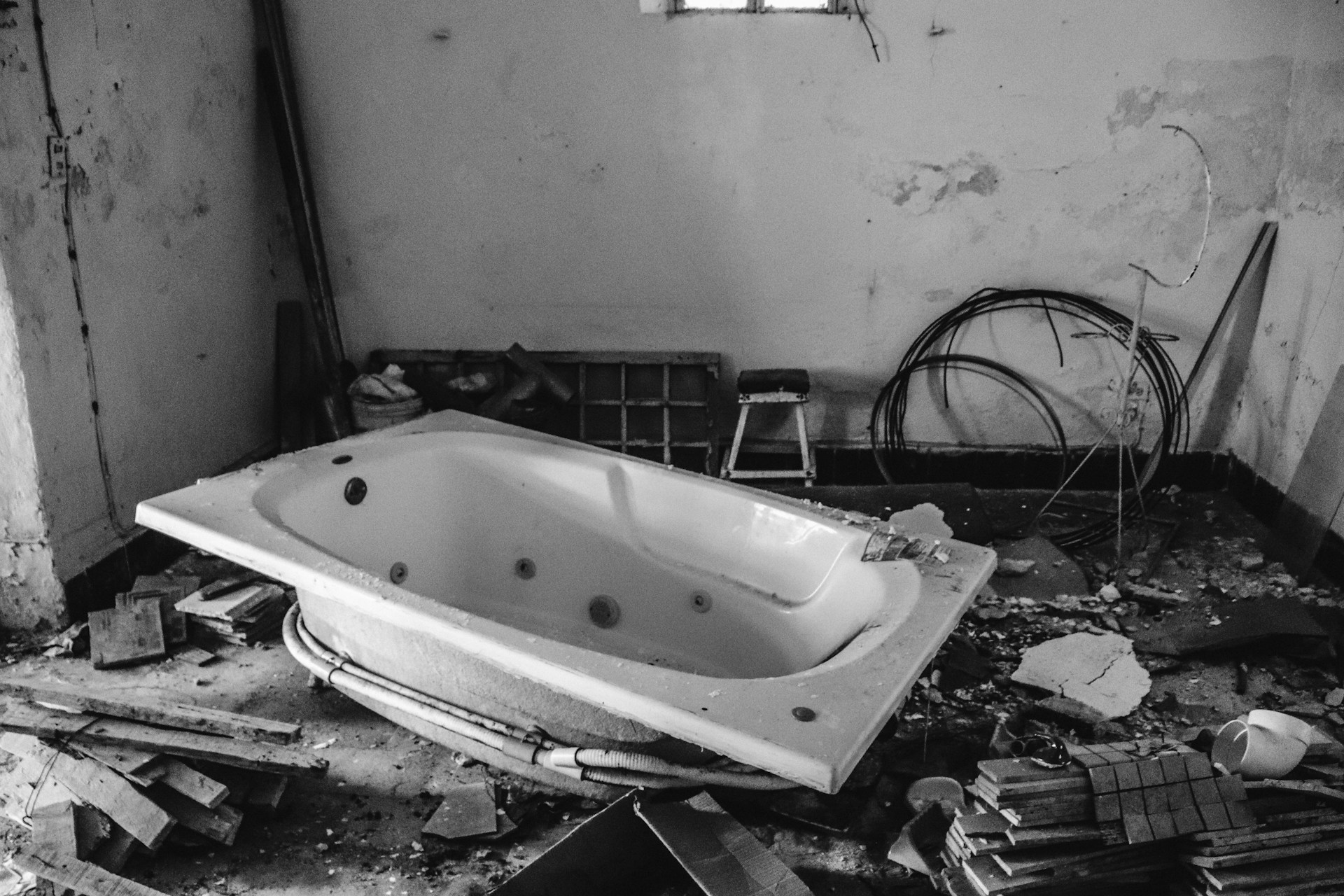
Even the best plan can wobble if hidden expenses sneak in. Permit charges, demolition surprises, and outdated plumbing behind walls can raise totals quickly. Older homes often reveal water damage or wiring that fails current codes. Setting aside a contingency fund of ten to fifteen percent keeps panic away.
How to Decide What Fits Your Life
Before locking in a number, examine your daily pain points. Is storage the biggest issue, or does the layout frustrate you? Write down essentials first. Separate wants from needs. This simple step prevents emotional spending. Long-term goals matter as well. If resale value sits on …



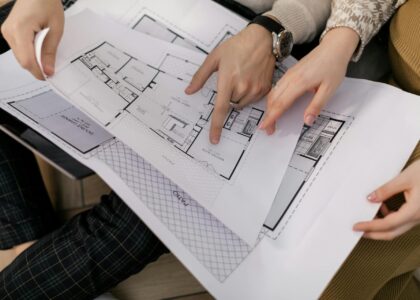
 A built-in office offers a structured environment tailored to focus and efficiency. Unlike multipurpose spaces, these offices are positioned and designed to minimize distractions and provide ergonomic considerations, such as natural lighting, adequate outlets, and storage solutions. In modern floor plans, they serve as hubs for professional and academic activities, enabling homeowners to maintain clear boundaries between work and living areas. This purposeful separation supports productivity and contributes to a home’s overall functional appeal, making it a valued feature in contemporary design.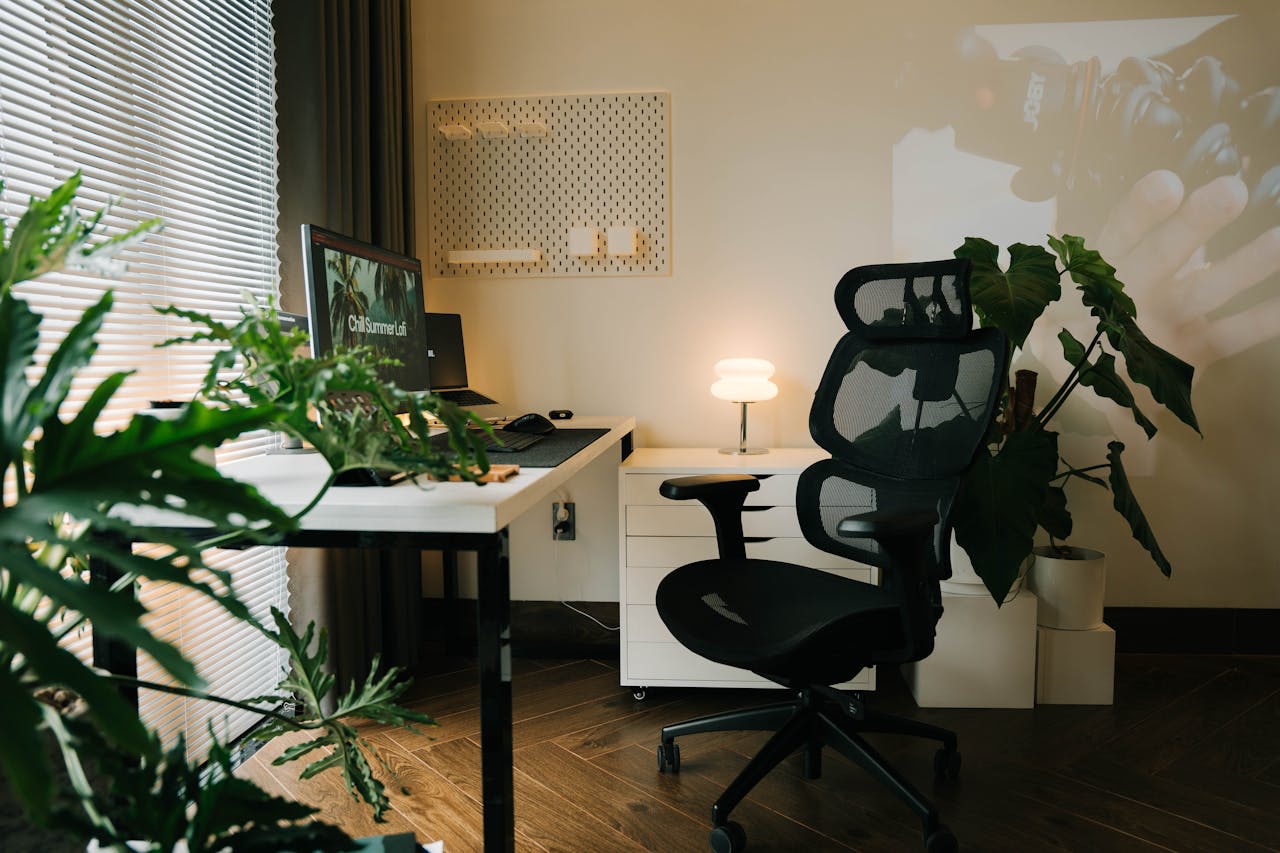


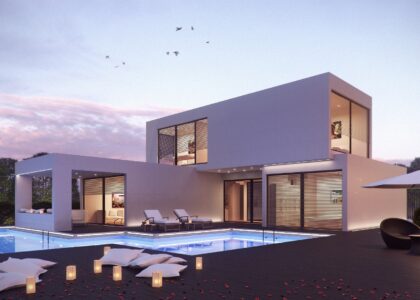
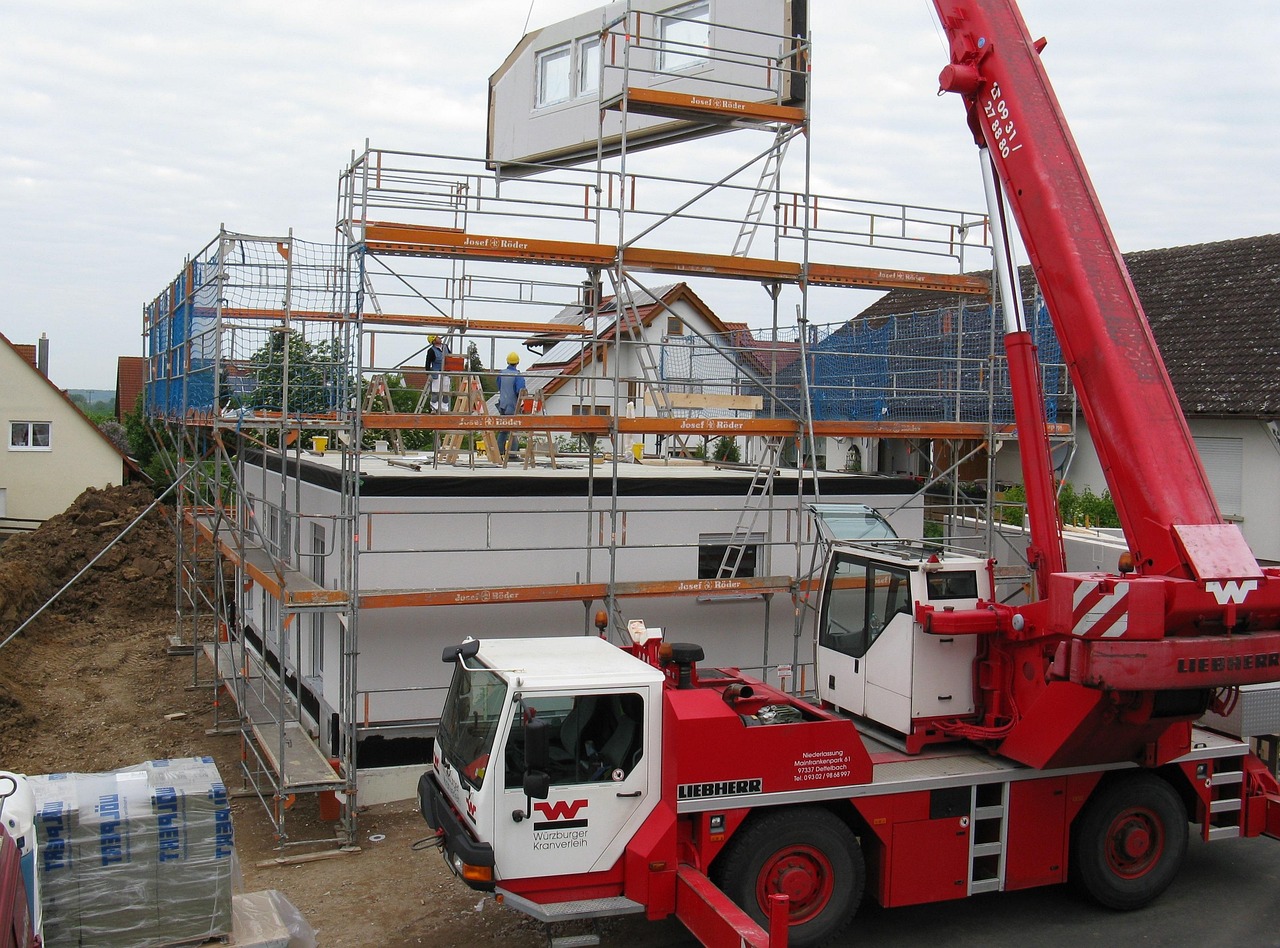 One of the biggest advantages of modular homes is their speed of construction. Because the building process happens inside a controlled environment, the project isn’t delayed by weather interruptions or unpredictable site conditions. This makes the entire timeline more reliable than traditional construction. Components are assembled with accuracy in the factory, reducing errors that often arise on open-air building sites. The final result is a home produced in a smooth, streamlined manner that saves time while maintaining dependable craftsmanship. For individuals eager to move in quickly, this convenience is hard to overlook. You gain a home built with dependable methods without the long months of waiting.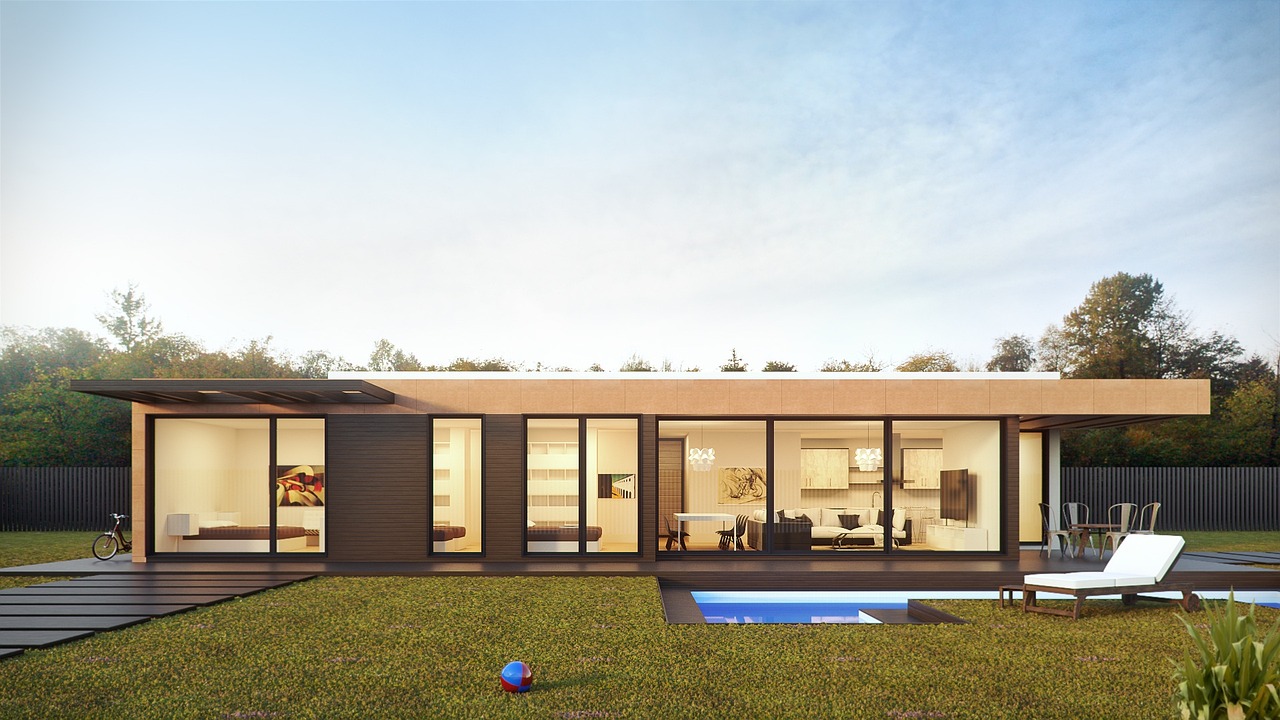
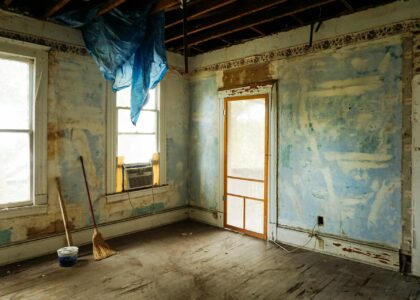
 Many people assume labor costs are a simple “hourly rate plus tools,” but renovations rarely follow such a tidy formula. Contractors usually quote based on project scope, accessibility, and the skill level required. Think of it like ordering a sandwich—everyone calls it a sandwich, but the price varies wildly depending on what you want in it. Materials also change the game fast. Pick something fancy, and the numbers shoot up like a rocket. Choose budget-friendly options, and you might shave off hundreds. The trick is balancing ambition with practicality. A beautiful result doesn’t always require the most expensive items on the shelf.
 Lighting can account for a surprising portion of household energy use. Replacing outdated incandescent or halogen bulbs with LED options is one of the easiest and most cost-effective energy advancements. LEDs utilize a fraction of the power while providing bright, warm, and customizable light throughout the home. They also last significantly longer, which means fewer replacements and lower maintenance costs. From under-cabinet lighting to outdoor security fixtures, LEDs create a more inviting home environment while keeping monthly costs down.
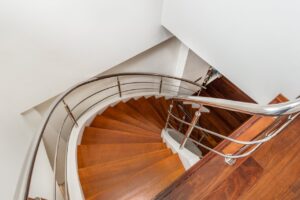 Adding grab bars in bathrooms and hallways reduces the risk of falls. They provide support for getting in and out of the shower, sitting, or standing. Sturdy handrails along stairways create safer transitions between floors. These small interventions can prevent accidents and provide peace of mind. Placement matters more than style. Bars should be within easy reach and securely anchored. Seniors feel more confident moving around when support is readily available. Even a minimal investment in handrails can improve independence dramatically.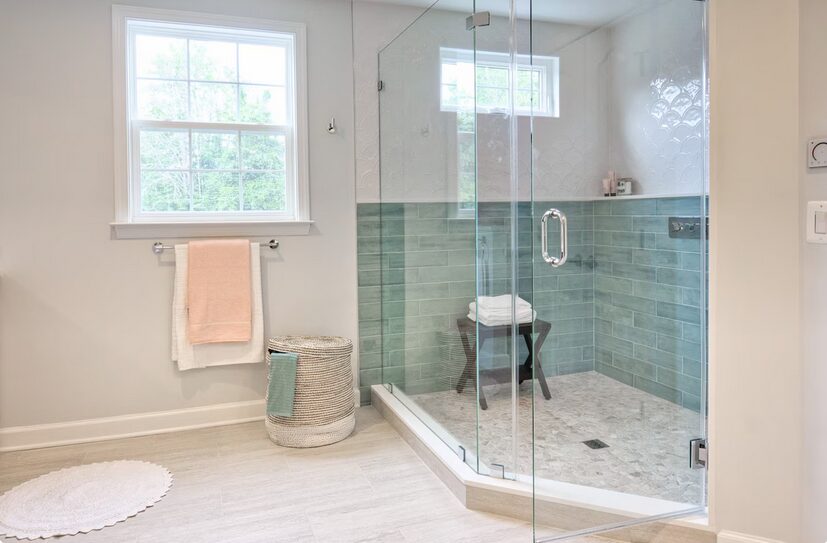









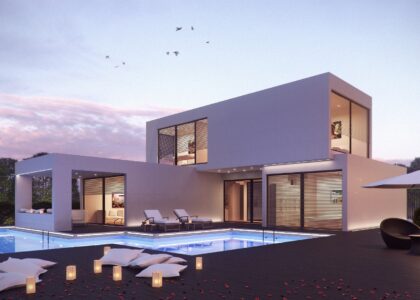
 One of the strongest advantages of prefabricated houses is affordability. Unlike traditional builds, where materials and labor costs can spiral out of control, prefab homes are produced in controlled factory environments. This process minimizes waste, reduces delays caused by weather, and ensures standardized quality. Homeowners can save significantly on both time and expenses, making prefab housing a more realistic option for those priced out of conventional markets.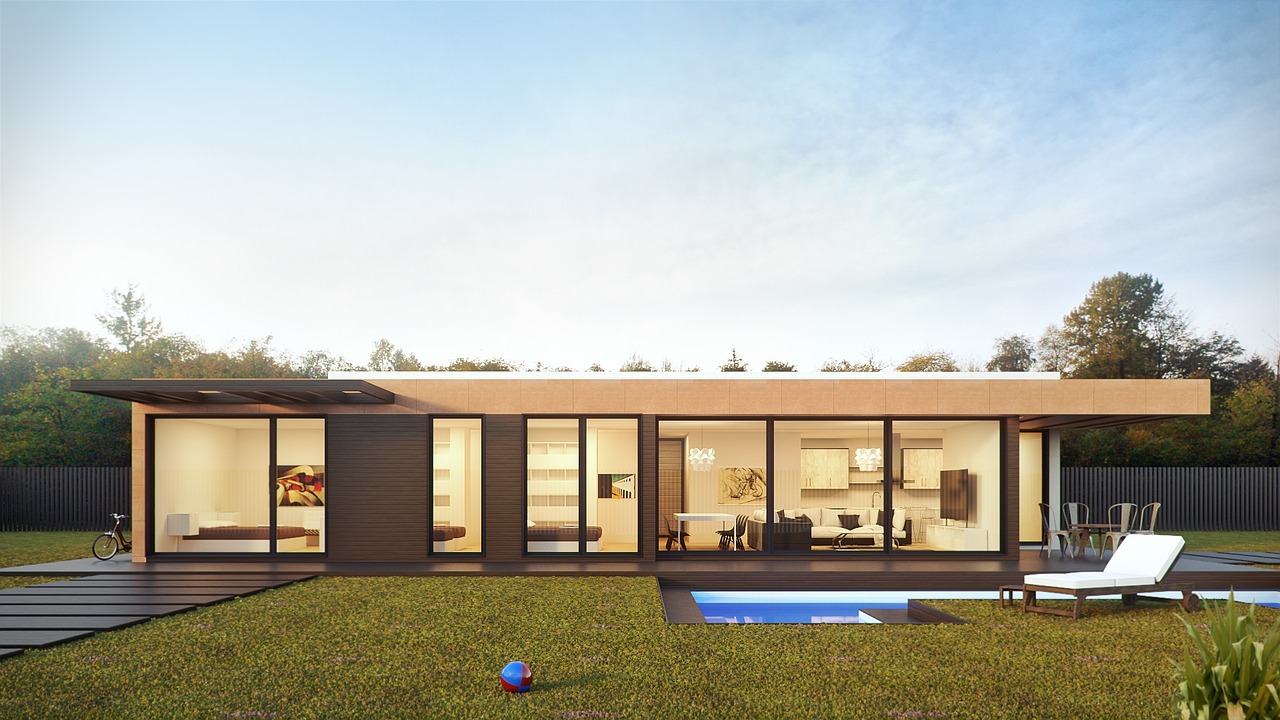
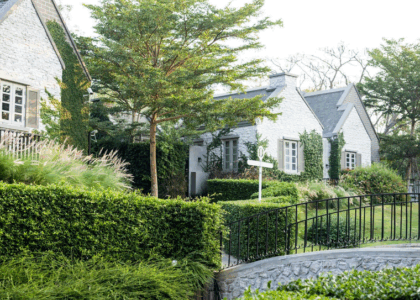

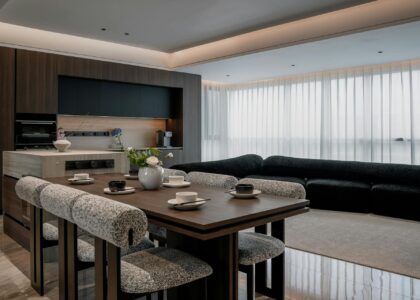
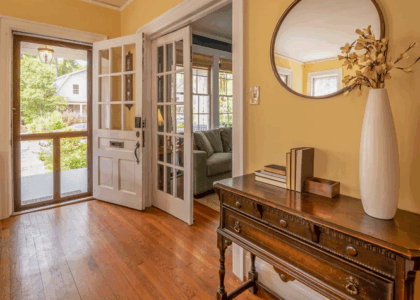
 Your farmhouse entrance table is the foundation of your design, so pick a piece that aligns with your overall aesthetic. A reclaimed wood table works wonderfully for a more traditional farmhouse look. For a lighter vibe, consider a whitewashed table with simple lines. Keep in mind that the table doesn’t have to be oversized to make an impact. A small, well-chosen table can fit seamlessly into your entry while offering ample space for decorations.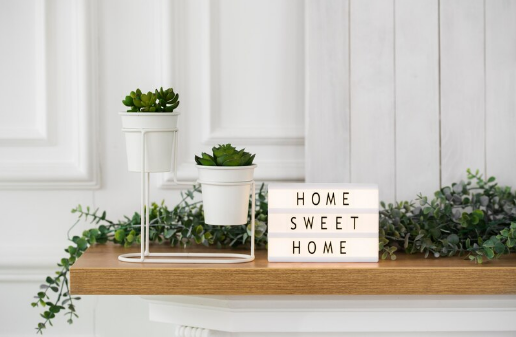
 While style is important, function should also play a role in your design. A farmhouse table isn’t just for decoration; it’s meant to serve a purpose, too. Use a tray to hold your keys or a bowl for small change. You can even incorporate storage baskets underneath the table to keep shoes or other essentials out of sight. The beauty of farmhouse décor is that it merges practicality with charm, so find ways to make the most of your entry table without compromising on style.