
Ecological Building and the Homes of Tomorrow
Sustainable living has shifted from being a trend to becoming an everyday expectation for homeowners. Reports on wz.de highlight how ecological building is setting a new standard for future housing. People are realizing that eco-friendly choices influence both their comfort and the planet’s health. This shift isn’t only about aesthetics or keeping up with neighbors. Ecological building is reshaping how homes are designed, constructed, and lived in, with long-term benefits for both residents and the environment. It reflects a growing desire for homes that are practical, comfortable, and mindful of the resources they consume.
Materials That Work With Nature
One of the cornerstones of ecological building is the use of renewable or recycled materials. Wood sourced from responsibly managed forests and recycled steel are gaining popularity in construction. These choices lower environmental impact while still offering durability. Synthetic materials, on the other hand, can leave a lasting mark on ecosystems. Builders are moving away from plastics and toxic finishes that harm both indoor air quality and outdoor environments. The shift shows that sustainable doesn’t have to mean fragile.
Energy Efficiency at the Core
Energy-smart designs go hand in hand with ecological construction. Solar panels, green roofs, and triple-glazed windows help reduce dependency on traditional power sources. For homeowners, that often translates into lower monthly bills. Homes are now being built to trap warmth in winter and stay cool in summer without over-reliance on air conditioners or heaters. Architects often place windows strategically to make the most of natural light. Smart placement and efficient insulation turn passive energy use into a daily benefit.
Water Conservation Practices
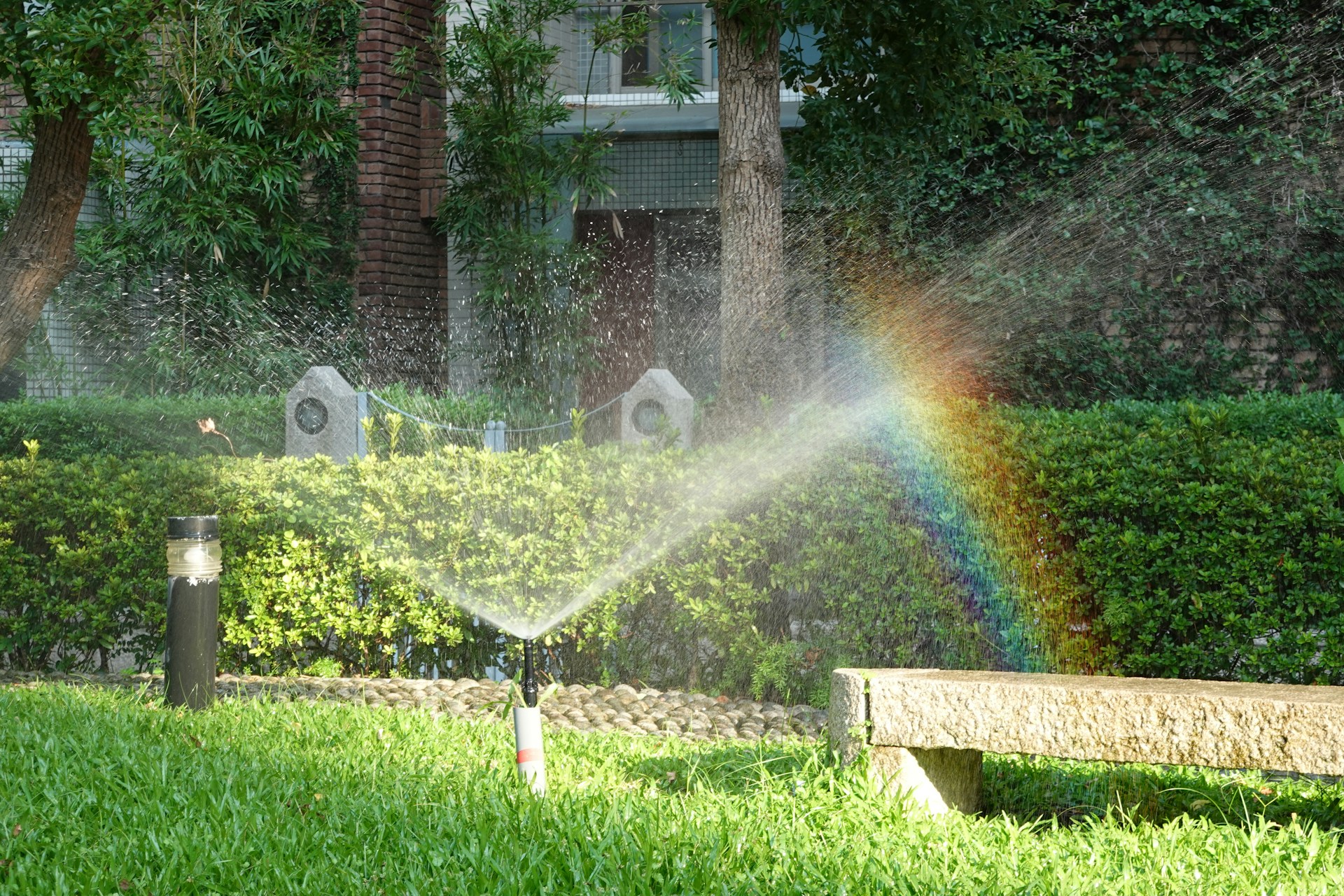
Water is another resource under pressure, and ecological building takes it seriously. Rainwater harvesting systems are becoming common in both urban and rural projects. These setups collect and filter rain for reuse in gardens or even household systems. Low-flow fixtures in bathrooms and kitchens also play a role. They reduce water waste without compromising comfort. By saving water at home, people contribute to easing strain on larger municipal systems.
Healthier Homes for Residents
Eco-friendly construction isn’t just about the environment; it’s also about people. Using paints free from harmful chemicals improves indoor air quality. Natural ventilation designs keep homes fresh without constant reliance on mechanical systems. A healthier house creates a better quality of life. Families benefit from fewer allergies, less exposure to toxins, and overall improved well-being. Building green isn’t only a global responsibility—it directly impacts daily living.
Looking Ahead to Greener Communities
The future points to entire neighborhoods adopting ecological standards. Shared solar grids, community gardens, and efficient waste systems are starting to pop up in housing developments. What used to sound like a utopia is becoming real brick by brick. As more people demand sustainability, builders and governments are taking notice. Policies, incentives, and even buyer preferences are driving this change. Soon, ecological building will no longer be an exception—it will be the rule.
Ecological building blends smart design with environmental awareness. Through renewable materials, efficient energy systems, water-saving solutions, and healthier …