

home

Home

Kid-Friendly Faith Decor: Bringing Scripture Into Children’s Rooms

Creating a warm and faith-centered space for kids doesn’t have to feel complicated. Many parents want decor that sparks comfort, curiosity, and a sense of God’s love—without turning the room into something that feels too grown-up. That’s where small touches come in. You can use gentle colors, simple artwork, and pieces that encourage kids to ask questions and feel connected. If you’d like deeper ideas across your whole home, this article offers extra inspiration you might enjoy. Let’s walk through ways to make scripture part of a child’s room in a playful, heartfelt, and kid-ready style.

Soft Wall Art That Sparks Big Comfort

Wall art is often the easiest starting point because kids read what’s around them all the time. Short verses work best, especially those with reassuring themes. Think Psalms that calm anxious minds or Proverbs that guide little hearts. Place them at eye level so kids absorb the message without effort. Another approach is mixing scripture-based prints with illustrations. Animals, stars, and watercolor scenes help the verses feel friendly rather than formal. Many parents say this helps their children connect the words with comfort instead of feeling lectured. This style also keeps the room feeling fun rather than too serious.

Color Themes That Support Scripture Messages

Colors play a huge role in how kids absorb their environment. Soft blues, warm peaches, and gentle greens pair beautifully with scripture that encourages peace and comfort. These tones help the verses feel like part of the room instead of something added on top. Kids often respond well to colors that calm their minds during busy days. For energetic children, brighter accent colors can frame verses about courage or joy. Pairing a bold color with a short, encouraging passage can make a child feel braver during tough moments. Even simple frames in vivid shades can shift the energy of the room. The trick is balancing visual fun with steady spiritual reminders.

Scripture in Everyday Objects Kids Actually Use

wall art

Kids love interaction, so decor they touch or move makes faith feel part of their daily rhythm. Plush pillows with short verses can make bedtime feel more grounded. Kids might hug them during nighttime stories or morning wake-ups. These small habits help scripture become familiar and soothing. Storage bins or fabric baskets with Bible-inspired phrases are another subtle option. They look cute and serve a real purpose, which makes them a win for parents tired of stepping on blocks. Even a lamp with a printed verse can shape a nighttime routine. This way, scripture becomes something a child sees before sleep and after sunrise.

Scripture That Grows With Your Child

Kids change fast, so choose verses that can grow alongside them. Short, encouraging passages stay useful as kids move from toddler life to school years. You can swap frames, colors, or styles while keeping the same verse. This helps your decor evolve while still grounding the room in faith. You can also rotate scripture seasonally to keep things fresh. Parents often say their kids …


Home

Cozy Corners: Decorating Your Reading Nook With Personalized Designs

A reading nook is one of those tiny home treats that feels simple yet surprisingly transformative. It becomes even better when you sprinkle in pieces tied to your personality, which is where items from home décor etsy can bring in charm without feeling forced. A well-built nook can shift the whole mood of your space. It gives your room a calm pocket that feels worlds away from your regular routine. People often assume you need a massive renovation for a cozy corner, but that is miles from true. You just need a little planning. Good lighting, thoughtful textures, and pieces that feel like you matter far more than square footage.

Set The Mood With Perfect Lighting

Lighting is the first thing that shapes how your nook feels. Bright overhead lights can kill the vibe instantly. Soft lamps or warm bulbs create a calmer atmosphere that lets your mind settle into reading mode. Think of lighting as the quiet handshake that welcomes you into the space. Layering light can boost the vibe, too. A small table lamp paired with a subtle glow nearby is usually enough. The trick is to avoid anything harsh or clinical. You want the kind of light that whispers instead of shouts. Different materials help diffuse brightness. Fabric shades add warmth. Glass lamps give a cleaner look.

Choose Textures That Feel Like Home

decorative textures

Textures build comfort faster than any fancy furniture piece. Soft blankets, plush cushions, and gentle fabrics give your nook that inviting feel. You sit down, and your shoulders relax without effort. That kind of comfort is priceless. Mixing textures makes your corner visually engaging. A smooth throw paired with a chunky knit pillow creates contrast that feels intentional. You do not need expensive items to make this work. Even simple pieces can create a surprisingly layered effect. Comfort supports consistency. When your nook feels good, you use it more often.

Add Wall Art That Speaks to Your Story

Blank walls make a nook feel unfinished. Wall art fills that gap with personality. Posters, prints, or illustrations can shift the entire mood of the space. It makes the nook feel like yours instead of a random corner. Personal art adds emotional weight. Maybe it is an image connected to a memory. Maybe it is an abstract piece that sparks a little joy. Whatever it is, it brings your story into the space in a subtle way. Art placement matters too. Keep pieces at eye level when seated so the visuals meet you naturally. It adds flow and avoids awkward angles. A balanced arrangement gives your nook a steady sense of design.

Bring in Small Décor Pieces With Purpose

decor items

Tiny accents can elevate your nook more than people expect. A candle with a soft scent adds atmosphere. A small plant adds a fresh spark of life. Little details operate like quiet supporting characters in your cozy scene. Purposeful pieces matter because clutter kills relaxation. Choose only items that earn their spot. Think of it like casting …

Home

The Role of Home Sewer Line Inspections in Preventing Odors and Costly Repairs

Sewer issues may start small, but they rarely stay that way. Homeowners often notice subtle warning signs long before a major problem appears. For example, a dålig lukt avlopp can signal trouble deep within the sewer line. A home sewer line inspection helps uncover these concerns early. It gives homeowners a clear look at what is happening underground. This preventive step protects the home, prevents foul smells, and helps avoid major repair expenses.

The Purpose of Sewer Line Inspections

A sewer line inspection is a detailed check of the pipes that carry wastewater away from the home. Professionals use specialized cameras to see inside these lines. The camera footage shows cracks, blockages, root intrusion, and buildup. This process gives a unique view that cannot be achieved through surface-level checks. It helps identify problems that would otherwise remain hidden. With this information, homeowners can plan necessary repairs before the issue escalates.

How Inspections Help Prevent Persistent Odors

home inspection

Unpleasant sewer odors often indicate that something is wrong. These smells may drift indoors or linger around the yard. They can make everyday living uncomfortable. An inspection helps detect the source. Sometimes the cause is a clog that traps waste. Other times, it might be a cracked pipe leaking gases into the soil. Inspections highlight the problem so professionals can fix it quickly. This approach helps ensure a clean and healthy home environment.

The Connection Between Early Detection and Cost Savings

Sewer repairs can be expensive when problems reach an advanced stage. Major blockages may require excavation. Damaged lines might need replacement. These repairs disrupt daily life and strain budgets. Early inspections minimize the risk of such outcomes. By spotting early damage, the homeowner can address the problem with simpler and more affordable solutions. This strategy helps maintain the system’s stability while reducing long-term expenses. Routine inspections are a strong investment in the home’s future.

Common Issues Found During Sewer Line Checks

pipe

Inspections often reveal patterns that appear in many homes. Tree roots are one of the most common issues. Roots grow toward moisture and may break into the line, causing blockages. Another issue is pipe corrosion. Over time, older metal pipes weaken and develop holes. Grease buildup also creates trouble, especially in kitchens. Foreign objects sometimes become lodged in the line. Each problem may seem minor at first, but it can escalate. Inspections bring these issues to light so homeowners can take prompt action.

Why Regular Maintenance Helps Avoid Emergencies

Sewer emergencies rarely happen without warning. Most problems develop slowly. When homeowners schedule routine inspections, they maintain control over their plumbing system. Regular checks allow professionals to monitor changes over time. They can compare past recordings to identify new concerns. This level of care provides homeowners with the utmost confidence. It keeps the system functioning properly and reduces stress. Preventive maintenance is far easier to manage than unexpected breakdowns.

The Process of a Professional Sewer Line Inspection

inspection process

The inspection begins with a technician locating the main sewer access point. A small camera attached …

Home

Landscape Lighting for Winter: Brighten Your Outdoors During the Cold Months

Winter’s chill can make your outdoor space feel bleak, but there’s a way to bring some life back into it: landscape lighting. During the darker months, landscape lighting isn’t just about aesthetics; it plays a key role in outdoor upgrades that highlight the safety and atmosphere of your home’s exterior.

Whether you’re hosting holiday parties or simply want to add some warmth to your yard, outdoor upgrades like winter landscape lighting are the way to go. But it’s not just about stringing up a few lights; the right approach can transform your entire outdoor space.

Adding Warmth and Ambiance With Proper Lighting

Winter landscapes can feel stark and uninspiring. But with the right lighting, your home’s exterior can glow in the evenings. Consider adding soft, warm lights around pathways, trees, or garden features. These lights can give your outdoor space a welcoming vibe, making it a cozy spot for evening relaxation or a festive environment for seasonal gatherings. Strategically placed lights can also highlight specific features in your garden, such as sculptures, fountains, or architectural details, creating a visual masterpiece even on the coldest nights. Instead of harsh, cold lighting, go for amber or soft white bulbs to maintain a warm, inviting atmosphere.

Highlighting Safety and Visibility

One of the main reasons to invest in winter landscape lighting is for safety. The dark winter months can make it difficult to navigate your property, especially when frost and ice are present. Pathway lights can guide guests safely to your door while preventing any slips or falls. Not only does winter lighting improve the safety of your outdoor areas, but it can also act as a deterrent to potential burglars. A well-lit yard with illuminated entryways signals that someone is home, making your property less appealing to intruders.

bright vision

Choosing the Right Fixtures for Your Space

Choosing the right lighting fixtures for winter requires selecting products that can handle the tough outdoor conditions. Lighting for the outdoors should be sturdy, weatherproof, and capable of withstanding the colder season. LED lights are a great option, as they use less energy and are built to survive even the most extreme weather. For a more refined look, consider adding spotlights to highlight your favorite trees or shrubbery, or uplighting for a dramatic effect. Additionally, low-voltage lighting is a great choice for winter since it provides a soft, glowing effect without being too overpowering. The key is to choose lights that complement the design of your home.

Enhancing Curb Appeal

While DIY landscape lighting can be tempting, there’s a reason why hiring a professional makes all the difference. A professional will understand the balance between form and function, making sure your lights are not only aesthetically pleasing but also practical. Expert lighting installation can also save you time and effort. With professional winter landscape lighting, your property can shine bright even in the darkest days of winter. Whether you want to enhance curb appeal, boost safety, or simply add a touch of elegance to your outdoor space, …

Home

How to Decorate Any Room on a Budget Without Sacrificing Style

Decorating your home doesn’t have to mean draining your wallet. With a little creativity and planning, you can transform any room into a stylish, welcoming space—without the high price tag. From repurposing old furniture to using paint for a fresh update, budget-friendly options are more accessible than ever. In fact, these creative home ideas are surprisingly easy to try and can make a big impact with minimal effort. Whether you’re working with a studio apartment or a full house, smart, affordable design choices can elevate your space while keeping your budget intact.

Start With What You Already Have

Before you buy anything new, take stock of what’s already in your home. Often, simple rearrangements or repurposing of existing furniture can give a room a fresh look. A bookshelf from the hallway could become a room divider, or that extra lamp in storage might brighten up a dark corner. Shopping your own space first can spark ideas and save you money from the start.

Choose Budget-Friendly Paint and Wall Art

wall art

Paint is one of the most affordable ways to transform a room. A new color can change the entire mood and feel without needing new furniture or flooring. If you’re not ready to commit to painting all four walls, consider an accent wall for a bold effect. For wall décor, printable art from online platforms, DIY canvas painting, or even framed fabric swatches can create a designer look without designer prices.

Incorporate Thrift and Secondhand Finds

Thrift stores, online marketplaces, and garage sales are goldmines for budget decorators. Vintage dressers, quirky side tables, and gently used rugs can all be sourced at a fraction of retail cost. With a little elbow grease—think sanding, staining, or painting—many secondhand pieces can become focal points in your home.

Use Textiles to Add Warmth and Color

Throw pillows, blankets, curtains, and rugs offer an inexpensive way to bring texture, color, and comfort into a room. Mixing patterns and materials adds personality, and you don’t need to buy high-end brands to achieve a cozy, layered look. Many budget-friendly retailers offer stylish options that mimic high-end designs.

Add Greenery for Life and Style

plant

Plants bring natural beauty into any space. If you’re on a tight budget, start with low-maintenance options like pothos, spider plants, or succulents. Even a few small planters on a windowsill or shelf can give your room a vibrant and calming touch. If you don’t have a green thumb, artificial plants can work just as well without the upkeep.

DIY Whenever Possible

If you’re handy, small DIY projects can elevate your space while keeping costs low. You might build a simple floating shelf, sew pillow covers from scrap fabric, or make a statement mirror with inexpensive materials. Countless online tutorials make it easy to personalize your space on a budget.

You don’t need a big budget to design a beautiful, welcoming space. With thoughtful planning, creative reuse, and a willingness to get hands-on, any room can reflect your style without breaking the bank. Decorating …

Home Improvement

Fire Pit Safety 101: What Every Homeowner Should Know Before Lighting up

Nothing compares to spending a serene evening with friends or toasting marshmallows with the kids around a fire pit on a chilly evening. But before striking that first match, it’s important to understand how to safely operate and maintain your fire pit. A little preparation can go a long way in preventing accidents and keeping your backyard the relaxing retreat you intended. Here’s what every homeowner needs to know before lighting up.

Choose the Right Location

Where you place your fire pit matters more than you might think. Always set it up on a flat, fire-resistant surface that’s at least ten feet away from your home, trees, fences, or any overhanging structures. Open areas with good airflow are best, but avoid windy spots where embers can blow around. It’s not just about comfort—keeping distance from flammable materials is critical for safety.

Give Brick Fire Pits Just as Much Care

It’s easy to assume that brick fire pits are safer because of their solid, heat-resistant construction. While they do offer durability and a classic look, they still require regular maintenance and careful use. Cracks can develop over time, allowing heat or flames to escape in ways you might not expect. Always inspect for loose or damaged bricks and make sure the fire stays well within the burn area to avoid potential hazards.

Burn the Right Materials

You might be tempted to toss in random yard waste or leftover construction scraps, but that’s a bad idea. Certain materials, like treated wood or painted furniture, release toxic fumes when burned. Stick to dry, seasoned hardwoods like oak or maple—they burn cleaner and produce less smoke. Avoid softwoods like pine, which pop and crackle more due to their resin content, potentially throwing sparks beyond your fire ring.

Burn the Right Materials

Always Keep a Fire Extinguisher Nearby

Even small fires can get out of control fast. That’s why having a fire extinguisher—or at least a bucket of water or sand—within arm’s reach is a must. It might feel overly cautious, but the few seconds it takes to react can mean the difference between a harmless scare and a serious emergency. Check that your extinguisher is rated for Class A fires and that everyone in the household knows how to use it.

Monitor the Flames at All Times

Unattended fires are one of the top causes of fire pit-related incidents. No matter how contained the flames may seem, they can shift quickly with a gust of wind or an extra log. Always have an adult present when the fire is burning, and don’t leave until the embers are completely extinguished. It’s also a good idea to keep kids and pets at a safe distance, even after the fire looks like it’s out.

Check Local Regulations Before You Start

Before firing up your pit, make sure you’re in the clear legally. Some cities and counties have restrictions on open flames, especially during dry seasons or under burn bans. Even permanent backyard fire pits can fall under specific guidelines, like required …

Home Improvement

Everything DIY Homeowners Need to Know About Wire Connectors

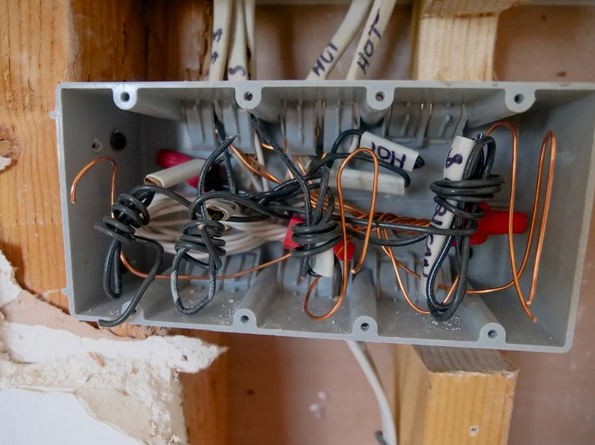
Electrical repairs used to be the domain of electricians and seasoned handymen. But these days, more homeowners are handling light fixes themselves, thanks to smarter, safer tools. If you’ve ever stared at tangled wires and felt like you were disarming a bomb, you need a guide to solderless wire connectors. It introduces a far less intimidating method: no heat guns, no soldering iron, and no cursing under your breath while juggling too many tools. Let’s cut through the noise and get to what actually works inside your home.

What Makes Solderless Connectors a Game Changer

cables

You’re replacing a light fixture. You’ve got wires. You’ve got zero patience. Solderless wire connectors take away the stress. Just insert the wires, twist or press, and done. It’s like Lego for grown-ups, if Lego prevented electrical fires. Traditional soldering demands tools, time, and a certain level of fearlessness. Not here. These connectors skip the mess, the burns, and the “wait, did I turn off the breaker?” moments. They’re especially helpful in tight spaces.

Safety Without the Sweat

installationElectrical work isn’t something to treat lightly. But that doesn’t mean it has to be scary. Solderless connectors minimize risk. They don’t rely on exposed flames or hot tips. That alone cuts down potential hazards. For anyone with curious kids or a cat that loves to knock things over, this is a plus. Also, good connectors maintain a firm grip on your wires, so you won’t have to worry about flickering lights or sudden outages. Peace of mind goes a long way when you’re halfway through a movie and the power cuts out.



Perfect for Small Fixes Around the House

Let’s be real. Most home electrical needs aren’t industrial. You’re likely installing a ceiling fan, fixing an outlet, or rewiring an old lamp you found at a flea market. For these kinds of tasks, solderless options make more sense. You don’t need to build a spaceship. You just want your kitchen light to work without shocking yourself. And let’s face it, calling an electrician for a 10-minute fix can feel like hiring a chef to butter your toast. With these connectors, you take control.

Wiring Doesn’t Have to Feel Like Defusing a Bomb

cables

Most of us didn’t grow up reading circuit diagrams for fun. So trying to repair wiring can feel like stepping into unfamiliar territory. The less time spent fiddling, the better. Solderless connectors simplify the process to something even non-techy folks can handle. If you can use a stapler, you can connect wires with these tools. No degrees in electrical engineering are required. No burned fingers. Just smart, functional gear. So next time you’re tempted to duct tape a connection (we’ve all been there), stop. Grab a proper connector.

Modern homes are getting smarter. Your tools should too. With solderless wire connectors, you get a solution that’s fast, secure, and genuinely helpful, especially for home projects that fall into the “I’ll just do it myself” category. If you’ve got wires to connect and zero …

Home Improvement

Plumbing Pitfalls in Texas Homes and How to Avoid Them

If you’ve ever woken up to the sound of dripping water, or worse, a surprise indoor swimming pool, you know plumbing problems don’t knock. They barge in. That’s why sump pump installation isn’t just for rainy-day folks.

It’s a Texas home essential, especially for parents juggling snack time, school pickups, and clogged drains. Let’s skip the sugarcoating. Plumbing can get messy fast. But a few smart moves now can spare you a flood of regret later.

Start With the Pipes You Don’t See

Out of sight, out of mind, until your ceiling’s dripping. Pipes behind walls or under floors often get overlooked. In older Texas homes, those pipes may be aging faster than your high school jeans. Check them once in a while. Look for discoloration on walls, low water pressure, or that weird knocking sound in the middle of the night. Insulating exposed pipes, especially in attics and crawl spaces, can also help prevent freezing during surprise cold snaps. We all remember February 2021, right?

Toilet Talk: It’s More Important Than You Think

toilet flush

That “phantom flush” sound? Not your imagination. It’s likely a faulty flapper wasting gallons of water. Toilets may not be glamorous, but ignoring them can lead to sky-high water bills or leaks that silently rot your subfloor. Teach kids the golden rule: nothing goes in the toilet except toilet paper. No wipes, no toys, no “flushable” experiments. A plumber once pulled out a plastic dinosaur from a client’s pipes. True story.

Water Heater Woes Don’t Wait for Winter

Texas weather may be warm, but your water heater still works overtime. Sediment builds up faster than you think, especially if you’re in an area with hard water. Flushing the tank annually can keep things running smoothly. And let’s not pretend cold showers are fun. Unless you’re at a yoga retreat in Bali.

Leaks: The Silent Wallet Drainers

Wallet

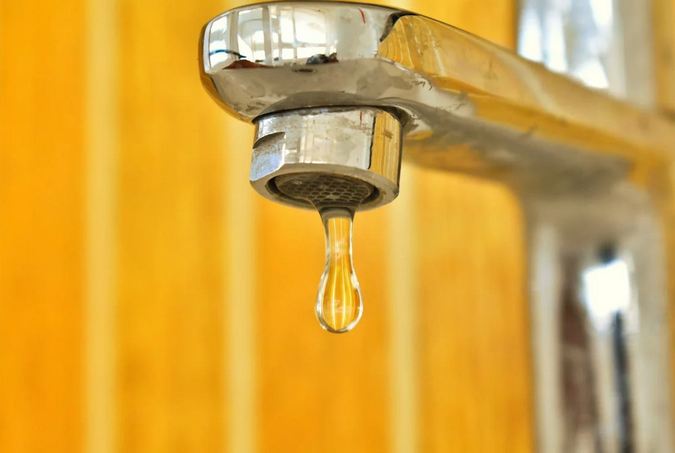
Leaky faucets or pipes aren’t just annoying, they bleed your water bill dry. A single drip every second adds up to over 3,000 gallons a year. That’s enough to take 180 showers. Or one teenager’s daily shower routine. Don’t ignore signs like moldy smells, damp cabinets, or unexplained puddles. Call in a professional before it turns into a full-blown mess.

Know When to DIY and When to Dial a Pro

Sure, YouTube has a tutorial for everything. But a pipe wrench in the wrong hands can do more harm than good. If your “quick fix” needs three trips to the hardware store and a prayer, maybe it’s time to step aside. For serious work—like whole-house re-piping, replacing rusted lines, or dealing with foundation leaks—trust someone who knows what they’re doing. Not someone who “watched a video once.”

Plumbing may not be the flashiest part of homeownership, but it’s definitely one of the most important. Keep it simple, stay proactive, and don’t let minor issues become family legends passed down through water damage stories. And remember: it’s always cheaper to fix a drip than replace a floor.…