

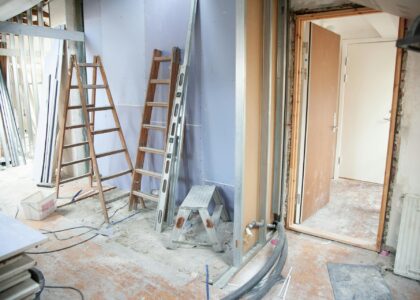
Home Renovations That Help Seniors Maintain Independence Longer
Aging in place requires thoughtful changes that allow seniors to live safely and comfortably. Simple upgrades can reduce hazards and support mobility. Tips like those in this senior lifestyle article explain how older adults benefit from independent living with fewer restrictions. Small adjustments in the home environment can make daily routines smoother and maintain confidence. Making a home easier to navigate keeps seniors active and engaged. Safety and convenience often go hand in hand.
Installing Grab Bars and Handrails
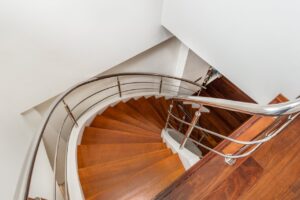 Adding grab bars in bathrooms and hallways reduces the risk of falls. They provide support for getting in and out of the shower, sitting, or standing. Sturdy handrails along stairways create safer transitions between floors. These small interventions can prevent accidents and provide peace of mind. Placement matters more than style. Bars should be within easy reach and securely anchored. Seniors feel more confident moving around when support is readily available. Even a minimal investment in handrails can improve independence dramatically.
Lever-Style Door Handles and Faucet Upgrades
Twisting traditional knobs can strain arthritic hands. Lever-style handles make doors and cabinets easier to open. Similarly, single-lever faucets reduce difficulty in controlling water flow. Simple modifications like these decrease daily frustration and preserve autonomy. These upgrades are inexpensive yet highly practical. They allow seniors to perform tasks without relying on others. Adjustments that prioritize comfort improve the quality of daily routines. Ease of use directly supports independence.
Non-Slip Flooring and Improved Lighting
Slippery floors contribute significantly to accidents among older adults. Adding slip-resistant flooring in areas like kitchens and bathrooms can greatly lower this hazard. Well-lit stairways and corridors help prevent missteps. Clear, evenly distributed lighting allows seniors to spot obstacles easily and move safely. Lighting changes are especially valuable during nighttime activity. Motion-activated lights can guide movement safely. Combined with non-slip surfaces, these adjustments create a safer, more navigable home. They make simple walking feel secure and natural.
Bathroom Walk-In Showers and Adjustable Shower Seats
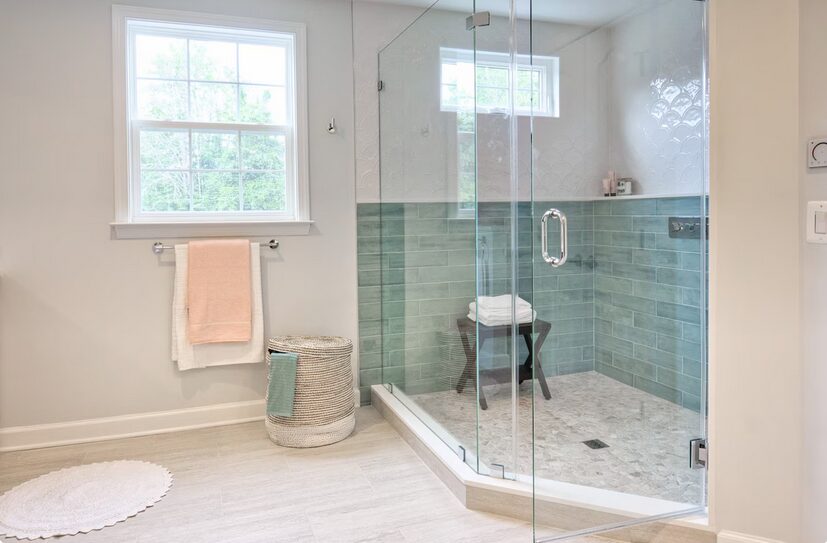
Traditional bathtubs pose a challenge for older adults. Walk-in showers with low thresholds or curbless designs allow easier entry. Adding a foldable shower seat provides support while bathing. These renovations reduce strain and increase confidence in personal care. Additional features like handheld showerheads make bathing safer and more convenient. Seniors can maintain hygiene without discomfort or fear of falling. The bathroom becomes functional without being restrictive. Independence is preserved with thoughtful design.
Ramps and Step-Free Entryways
Stairs and elevated doorways can hinder mobility. Installing ramps or step-free entrances allows easy access to outdoor areas. Seniors can enter and exit safely with minimal assistance. These changes extend the usable space of the home. Ramps also accommodate walkers or small mobility scooters. Gentle slopes reduce exertion and make movement more comfortable. Outdoor enjoyment and social visits remain possible without compromise. A home designed for accessibility supports longer-term independence.
Thoughtful renovations empower seniors to remain active, safe, and self-sufficient. From grab bars to step-free entrances, these adjustments make daily life manageable. Independent living thrives when homes are adapted to …