
Why Prefabricated Houses Are the Future of Affordable Living
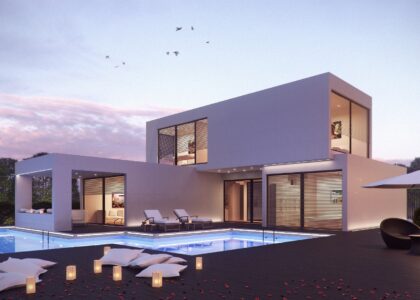
The housing market has undergone significant shifts in recent years, and affordability remains one of the biggest challenges for families worldwide. Rising construction costs, limited land availability, and economic uncertainty have made traditional homeownership increasingly difficult. Prefabricated houses, also known as prefab homes, are emerging as a practical solution that blends affordability with modern design and efficiency. Check out zeitundwert.de for comparison details between prefab and solid houses. As innovation continues to transform the housing sector, prefab homes are quickly gaining recognition as the future of accessible living.
Cost-Effective Construction
 One of the strongest advantages of prefabricated houses is affordability. Unlike traditional builds, where materials and labor costs can spiral out of control, prefab homes are produced in controlled factory environments. This process minimizes waste, reduces delays caused by weather, and ensures standardized quality. Homeowners can save significantly on both time and expenses, making prefab housing a more realistic option for those priced out of conventional markets.
Speed and Efficiency
Prefabricated houses can be constructed much faster than traditional homes. While standard builds may take several months or even years, prefab homes can be assembled on-site in a fraction of that time. For families looking to move quickly, this speed provides a distinct advantage. Faster completion also means lower labor costs, further boosting the affordability of these homes without compromising quality.
Sustainability and Eco-Friendliness
As sustainability becomes a priority, prefabricated housing is leading the way. The controlled production process reduces waste, while many prefab homes are designed with energy-efficient features, such as solar panels, smart insulation, and water-saving systems. These eco-friendly aspects not only reduce the environmental footprint but also lower utility costs for homeowners, making them both a financial and ecological win.
Design Flexibility and Modern Appeal
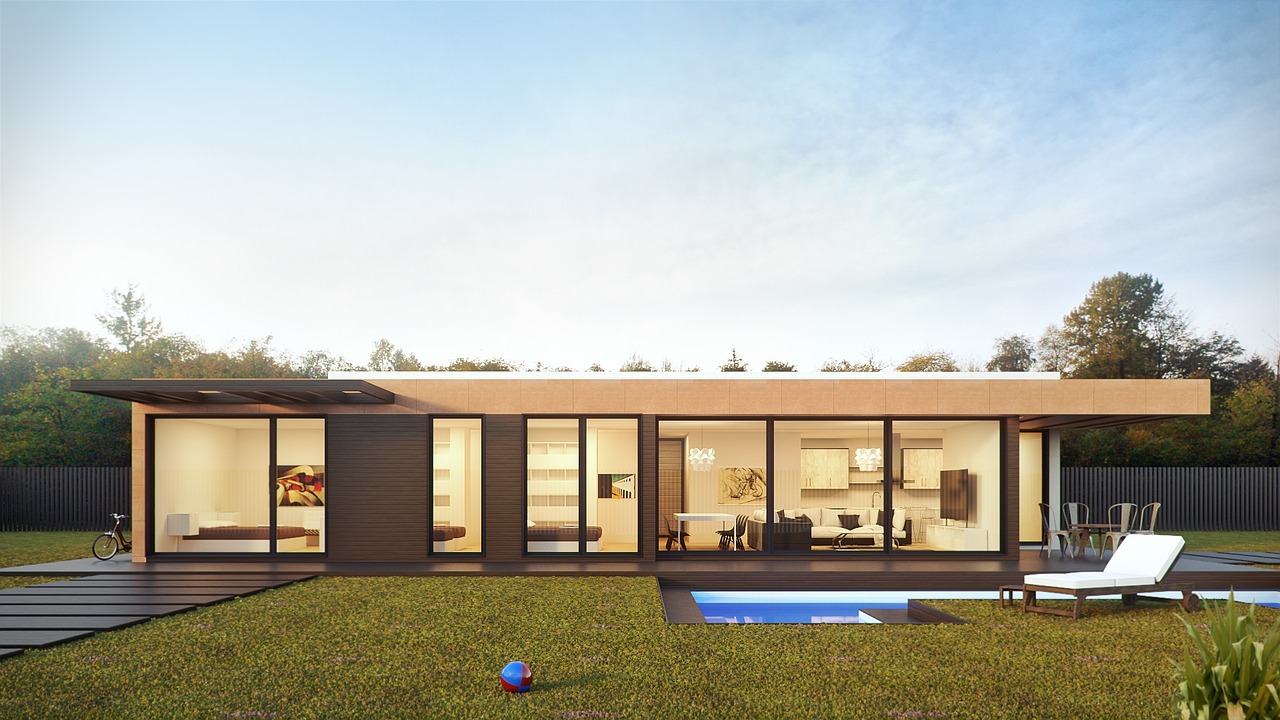
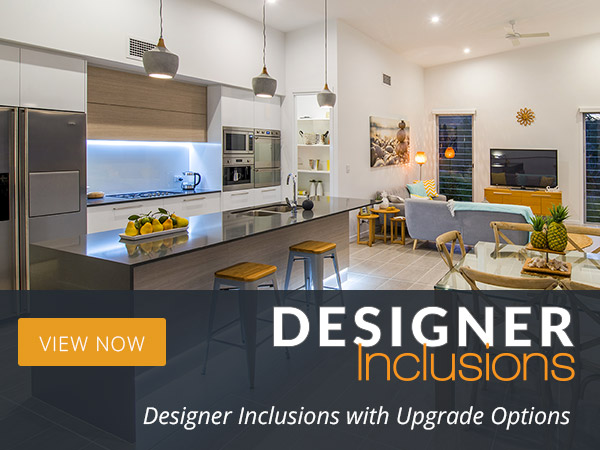
Gone are the days when prefab homes were viewed as plain or temporary solutions. Modern prefabricated houses are customizable, offering sleek architectural styles and layouts to suit different needs. From minimalist designs to spacious family homes, buyers can choose options that reflect their preferences. This flexibility allows prefab housing to appeal to a wide range of individuals, from young professionals to retirees.
The Role of Prefab Homes in the Future Housing Market
With urban populations growing and affordable housing shortages continuing, prefabricated houses are well-positioned to play a vital role in the future of real estate. Governments and developers are increasingly recognizing their potential as scalable solutions to housing crises. Their ability to provide cost-effective, eco-friendly, and stylish homes makes them a strong alternative to traditional housing methods.
Prefabricated houses combine affordability, speed, sustainability, and design flexibility, making them a cornerstone of modern housing solutions. As challenges in the housing market persist, prefab homes offer a practical pathway to affordable living without sacrificing quality or comfort. For individuals and families seeking a cost-effective yet stylish home, prefabricated houses are not just a trend but a glimpse into the future of accessible living.…