


Fire Pit Safety 101: What Every Homeowner Should Know Before Lighting up
Nothing compares to spending a serene evening with friends or toasting marshmallows with the kids around a fire pit on a chilly evening. But before striking that first match, it’s important to understand how to safely operate and maintain your fire pit. A little preparation can go a long way in preventing accidents and keeping your backyard the relaxing retreat you intended. Here’s what every homeowner needs to know before lighting up.
Choose the Right Location
Where you place your fire pit matters more than you might think. Always set it up on a flat, fire-resistant surface that’s at least ten feet away from your home, trees, fences, or any overhanging structures. Open areas with good airflow are best, but avoid windy spots where embers can blow around. It’s not just about comfort—keeping distance from flammable materials is critical for safety.
Give Brick Fire Pits Just as Much Care
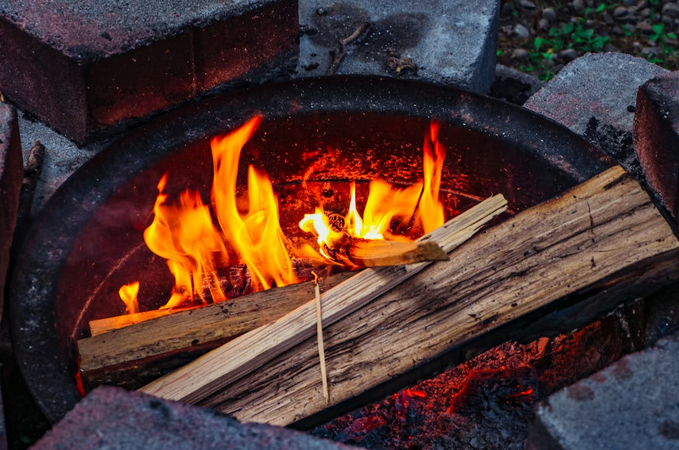
It’s easy to assume that brick fire pits are safer because of their solid, heat-resistant construction. While they do offer durability and a classic look, they still require regular maintenance and careful use. Cracks can develop over time, allowing heat or flames to escape in ways you might not expect. Always inspect for loose or damaged bricks and make sure the fire stays well within the burn area to avoid potential hazards.
Burn the Right Materials
You might be tempted to toss in random yard waste or leftover construction scraps, but that’s a bad idea. Certain materials, like treated wood or painted furniture, release toxic fumes when burned. Stick to dry, seasoned hardwoods like oak or maple—they burn cleaner and produce less smoke. Avoid softwoods like pine, which pop and crackle more due to their resin content, potentially throwing sparks beyond your fire ring.
Always Keep a Fire Extinguisher Nearby
Even small fires can get out of control fast. That’s why having a fire extinguisher—or at least a bucket of water or sand—within arm’s reach is a must. It might feel overly cautious, but the few seconds it takes to react can mean the difference between a harmless scare and a serious emergency. Check that your extinguisher is rated for Class A fires and that everyone in the household knows how to use it.
Monitor the Flames at All Times
Unattended fires are one of the top causes of fire pit-related incidents. No matter how contained the flames may seem, they can shift quickly with a gust of wind or an extra log. Always have an adult present when the fire is burning, and don’t leave until the embers are completely extinguished. It’s also a good idea to keep kids and pets at a safe distance, even after the fire looks like it’s out.
Check Local Regulations Before You Start
Before firing up your pit, make sure you’re in the clear legally. Some cities and counties have restrictions on open flames, especially during dry seasons or under burn bans. Even permanent backyard fire pits can fall under specific guidelines, like required …