
How to Avoid Common Mistakes When Developing Residential Property
Developing residential property can be an exciting opportunity, whether you are building rental units, family homes, or a property intended for resale. At the same time, property development involves plenty of decisions, and small mistakes can become expensive when they are discovered too late. From choosing the wrong site to underestimating costs, poor preparation can affect both the construction process and the final value of the property. The good news is that many common problems can be reduced with careful planning from the beginning.
Start With a Clear Development Plan
 A clear plan gives your project direction before money starts going into construction. Before hiring contractors or ordering materials, define what you want to build, who the property is intended for, and what you hope to achieve from the development. A well-organized approach is also important when working on construction projects that work efficiently, because everyone involved needs to understand the project’s goals, responsibilities and budget.
Don’t Underestimate the Budget
One of the most common mistakes in residential property development is creating a budget that only covers the obvious construction expenses. Land preparation, professional fees, permits, utility connections, labor, materials, landscaping, and other costs can quickly add up. It is sensible to include a contingency amount for unexpected expenses. A realistic budget gives you more flexibility if prices change or problems arise during construction.
Choose a Design That Matches the Market
A property should be designed around the people who are likely to use or buy it. For rental housing, consider the needs of prospective tenants, including room sizes, parking, security, storage, and access to essential amenities. If the property is intended for sale, think about what local buyers are looking for. A practical design can make the property more appealing while helping you avoid spending money on features that provide little value.
Research the Location Carefully
A promising piece of land is not necessarily suitable for every type of residential development. Before purchasing or developing property, research the surrounding area, accessibility, drainage, utilities, local demand, and existing infrastructure. You should also understand any planning or zoning requirements that could affect what you are allowed to build. Spending time researching the location before construction begins can prevent expensive surprises later.
Work With Qualified Professionals
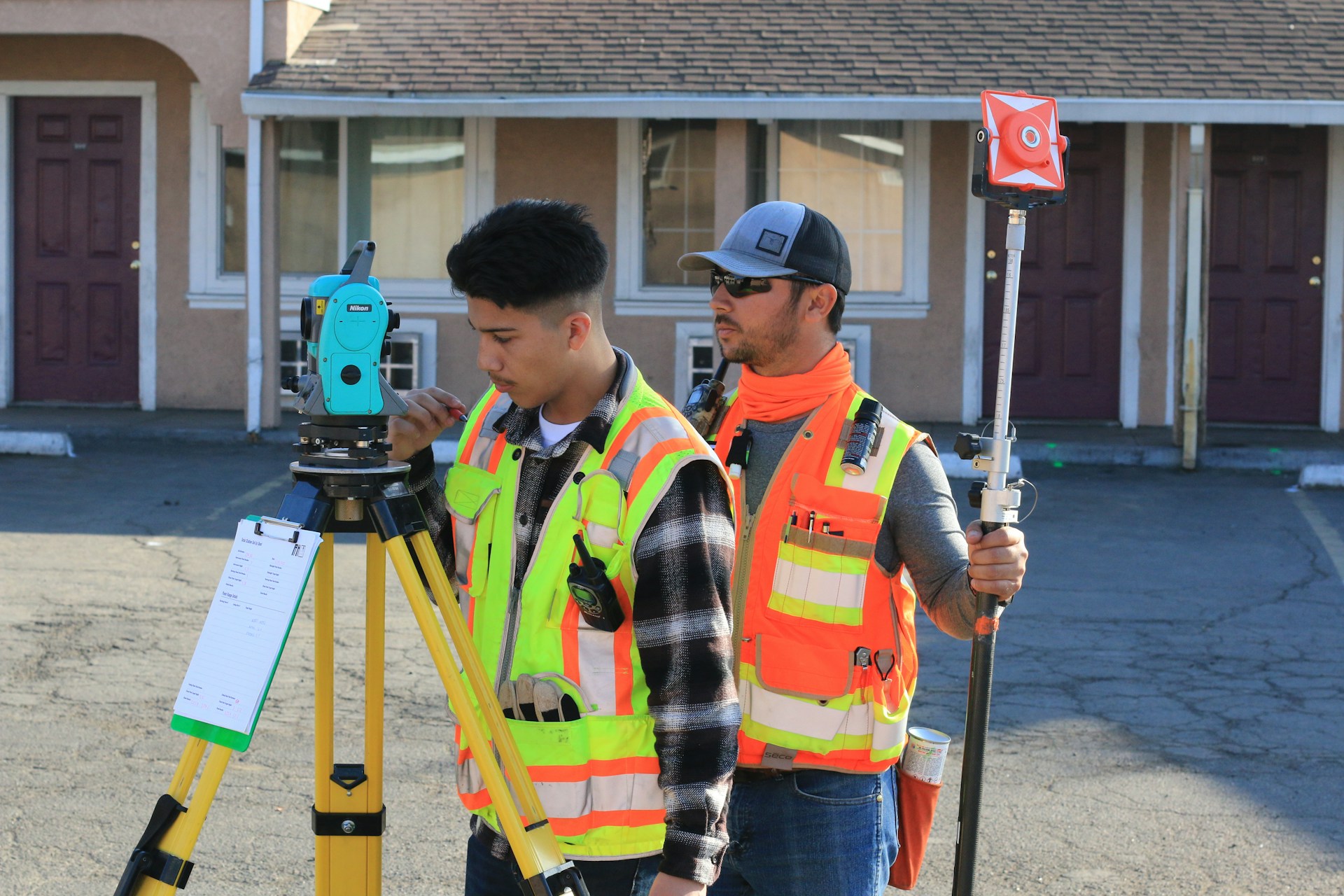
Trying to handle every part of a development yourself can create unnecessary problems. Architects, engineers, surveyors, quantity surveyors, contractors, and other professionals can bring specialized knowledge to different stages of the project. Before hiring anyone, check their experience, previous work, references, and understanding of your project. Clear communication and written agreements can also help everyone stay aligned on costs, responsibilities, and deadlines.
Create a Realistic Construction Timeline
Construction rarely goes exactly according to the original schedule. Weather, material availability, labor issues, design changes, inspections, and unexpected site conditions can all cause delays. Instead of creating an overly ambitious timeline, allow enough time for each stage of the work. Coordinating activities properly can also prevent one delayed task from disrupting several others. A realistic schedule makes it …