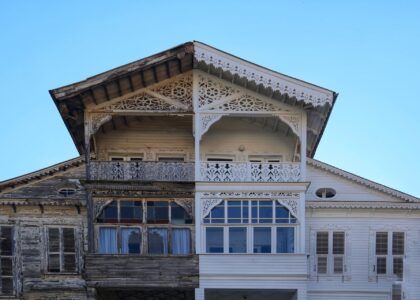

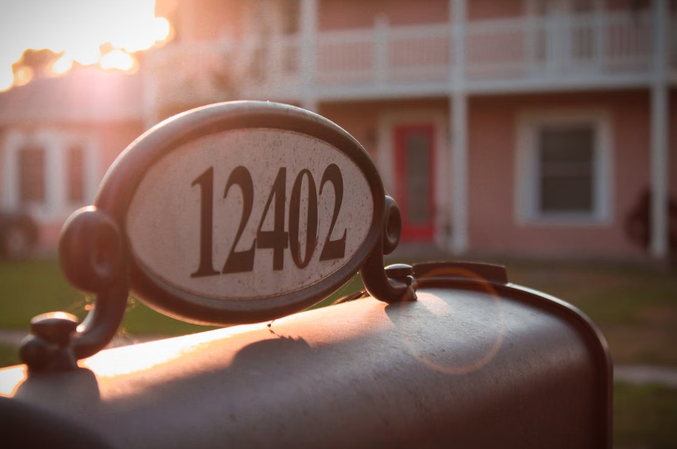
A house number may seem like a simple, practical detail, yet it can contribute surprisingly much to a home’s identity. Its size, typography, material, and placement can complement the architecture while making the property easier to recognize from the street. In custom designed buildings, even small elements such as numbering can be considered part of a broader visual language, connecting functional details with the character of the structure. Over time, distinctive house numbers can become recognizable features that reflect architectural styles, neighborhood traditions, or individual preferences. Exploring this evolution reveals why something as ordinary as a house number can play an important role in shaping residential identity.
How Numbering Made Residential Addresses More Practical
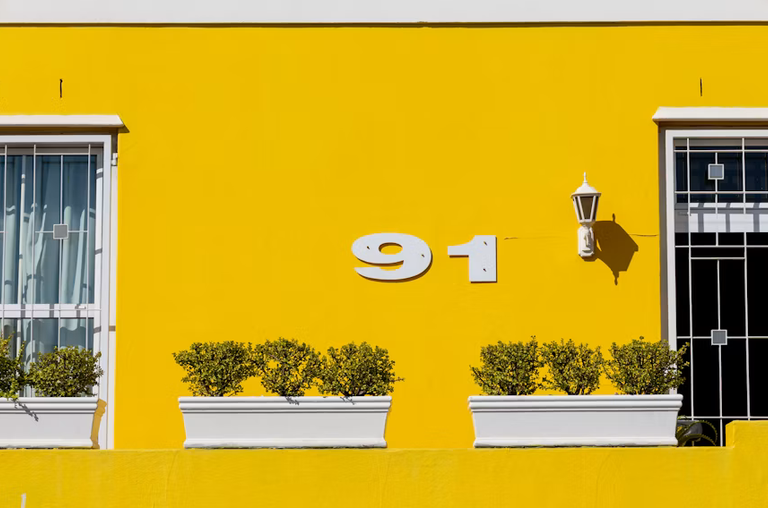
As towns and cities expanded, identifying individual properties became increasingly important for administration and everyday communication. Numbering systems created a consistent method for locating homes along streets and distinguishing one property from another. This supported postal delivery, municipal records, navigation, and emergency response. The house number therefore developed as part of a broader system that organized residential areas and made growing communities easier to manage.
Why House Numbers Became Visible Features
A house number needs to be visible enough for visitors, delivery workers, and emergency personnel to identify a property. This practical requirement influenced the placement of numbers, including at entrances, gates, walls, doors, and boundary features. As residential architecture developed, these locations became opportunities to integrate numbers into a property’s appearance. The number remained functional, but its placement and presentation increasingly became part of the visual character of a home’s entrance.
How Architectural Styles Influence Number Design
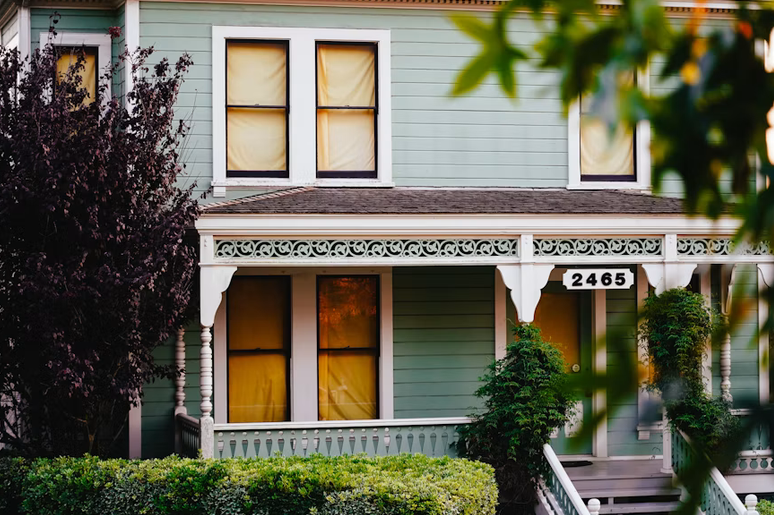
The appearance of a house number can reflect the architectural period or design language of a property. Traditional homes may use decorative plaques, carved stone, or formal lettering, while contemporary properties may incorporate minimalist numbers into metal, glass, concrete, or timber surfaces. The typography, material, scale, and placement can complement surrounding architectural elements. In this way, a small functional detail can reinforce the broader visual identity of a residential building.
The Connection Between House Numbers and Personal Expression
Homeowners sometimes choose house numbers that reflect personal preferences or the character they want their property to convey. A distinctive font, material, or mounting style can make an entrance appear more traditional, modern, understated, or decorative. Although the number itself remains determined by the property’s address, its presentation allows some degree of individual expression. This demonstrates how ordinary functional features can become part of the way residents personalize their homes.
Why House Numbers Contribute to Neighborhood Character
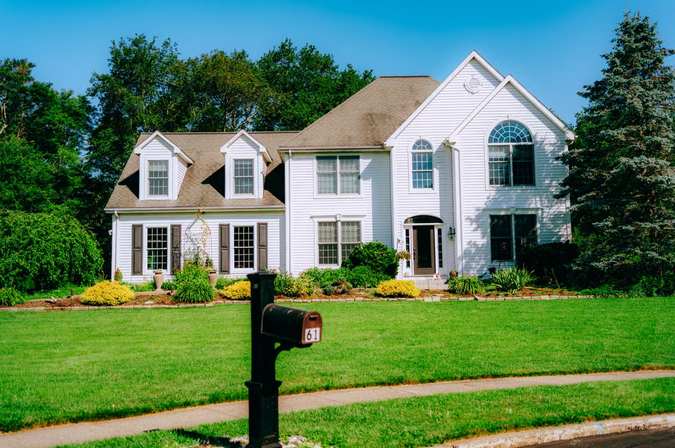
When homes in a neighborhood use different approaches to displaying their numbers, these small details can contribute to the streetscape’s visual variety. In some areas, consistent numbering styles may reinforce a shared architectural character, while individually designed signs can reflect the diversity of properties. House numbers can therefore occupy an interesting position between public identification and private expression. They help organize the neighborhood while simultaneously becoming visible elements of its residential landscape.
House numbers became part of residential identity because they developed from practical addressing requirements into visible features of the home. Their role in navigation, postal services, administration, and emergency response underscored their functional importance, while architectural design gave homeowners opportunities to influence their appearance. Materials, typography, placement, and scale can all connect a house number to a property’s character. Although small in physical size, house numbers demonstrate how everyday elements of residential infrastructure can contribute to personal identity and the wider visual character of neighborhoods.