




• home for sale
    Whether you are buying or selling a property, you will need the services of a realtor.

Home

Cozy Corners: Decorating Your Reading Nook With Personalized Designs

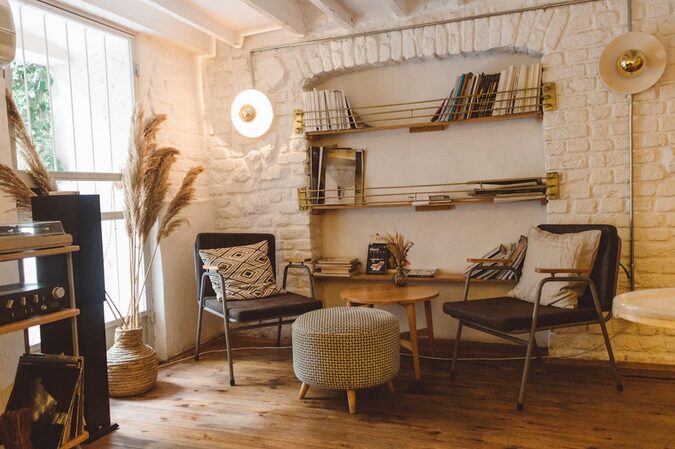
A reading nook is one of those tiny home treats that feels simple yet surprisingly transformative. It becomes even better when you sprinkle in pieces tied to your personality, which is where items from home décor etsy can bring in charm without feeling forced. A well-built nook can shift the whole mood of your space. It gives your room a calm pocket that feels worlds away from your regular routine. People often assume you need a massive renovation for a cozy corner, but that is miles from true. You just need a little planning. Good lighting, thoughtful textures, and pieces that feel like you matter far more than square footage.

Set The Mood With Perfect Lighting

Lighting is the first thing that shapes how your nook feels. Bright overhead lights can kill the vibe instantly. Soft lamps or warm bulbs create a calmer atmosphere that lets your mind settle into reading mode. Think of lighting as the quiet handshake that welcomes you into the space. Layering light can boost the vibe, too. A small table lamp paired with a subtle glow nearby is usually enough. The trick is to avoid anything harsh or clinical. You want the kind of light that whispers instead of shouts. Different materials help diffuse brightness. Fabric shades add warmth. Glass lamps give a cleaner look.

Choose Textures That Feel Like Home

decorative textures

Textures build comfort faster than any fancy furniture piece. Soft blankets, plush cushions, and gentle fabrics give your nook that inviting feel. You sit down, and your shoulders relax without effort. That kind of comfort is priceless. Mixing textures makes your corner visually engaging. A smooth throw paired with a chunky knit pillow creates contrast that feels intentional. You do not need expensive items to make this work. Even simple pieces can create a surprisingly layered effect. Comfort supports consistency. When your nook feels good, you use it more often.

Add Wall Art That Speaks to Your Story

Blank walls make a nook feel unfinished. Wall art fills that gap with personality. Posters, prints, or illustrations can shift the entire mood of the space. It makes the nook feel like yours instead of a random corner. Personal art adds emotional weight. Maybe it is an image connected to a memory. Maybe it is an abstract piece that sparks a little joy. Whatever it is, it brings your story into the space in a subtle way. Art placement matters too. Keep pieces at eye level when seated so the visuals meet you naturally. It adds flow and avoids awkward angles. A balanced arrangement gives your nook a steady sense of design.

Bring in Small Décor Pieces With Purpose

decor items

Tiny accents can elevate your nook more than people expect. A candle with a soft scent adds atmosphere. A small plant adds a fresh spark of life. Little details operate like quiet supporting characters in your cozy scene. Purposeful pieces matter because clutter kills relaxation. Choose only items that earn their spot. Think of it like casting …

Home

The Role of Home Sewer Line Inspections in Preventing Odors and Costly Repairs

Sewer issues may start small, but they rarely stay that way. Homeowners often notice subtle warning signs long before a major problem appears. For example, a dålig lukt avlopp can signal trouble deep within the sewer line. A home sewer line inspection helps uncover these concerns early. It gives homeowners a clear look at what is happening underground. This preventive step protects the home, prevents foul smells, and helps avoid major repair expenses.

The Purpose of Sewer Line Inspections

A sewer line inspection is a detailed check of the pipes that carry wastewater away from the home. Professionals use specialized cameras to see inside these lines. The camera footage shows cracks, blockages, root intrusion, and buildup. This process gives a unique view that cannot be achieved through surface-level checks. It helps identify problems that would otherwise remain hidden. With this information, homeowners can plan necessary repairs before the issue escalates.

How Inspections Help Prevent Persistent Odors

home inspection

Unpleasant sewer odors often indicate that something is wrong. These smells may drift indoors or linger around the yard. They can make everyday living uncomfortable. An inspection helps detect the source. Sometimes the cause is a clog that traps waste. Other times, it might be a cracked pipe leaking gases into the soil. Inspections highlight the problem so professionals can fix it quickly. This approach helps ensure a clean and healthy home environment.

The Connection Between Early Detection and Cost Savings

Sewer repairs can be expensive when problems reach an advanced stage. Major blockages may require excavation. Damaged lines might need replacement. These repairs disrupt daily life and strain budgets. Early inspections minimize the risk of such outcomes. By spotting early damage, the homeowner can address the problem with simpler and more affordable solutions. This strategy helps maintain the system’s stability while reducing long-term expenses. Routine inspections are a strong investment in the home’s future.

Common Issues Found During Sewer Line Checks

pipe

Inspections often reveal patterns that appear in many homes. Tree roots are one of the most common issues. Roots grow toward moisture and may break into the line, causing blockages. Another issue is pipe corrosion. Over time, older metal pipes weaken and develop holes. Grease buildup also creates trouble, especially in kitchens. Foreign objects sometimes become lodged in the line. Each problem may seem minor at first, but it can escalate. Inspections bring these issues to light so homeowners can take prompt action.

Why Regular Maintenance Helps Avoid Emergencies

Sewer emergencies rarely happen without warning. Most problems develop slowly. When homeowners schedule routine inspections, they maintain control over their plumbing system. Regular checks allow professionals to monitor changes over time. They can compare past recordings to identify new concerns. This level of care provides homeowners with the utmost confidence. It keeps the system functioning properly and reduces stress. Preventive maintenance is far easier to manage than unexpected breakdowns.

The Process of a Professional Sewer Line Inspection

inspection process

The inspection begins with a technician locating the main sewer access point. A small camera attached …

Home

Transform Your Space: How Wallpaper Murals Can Redefine Your Home

Wallpaper murals have a way of turning ordinary walls into extraordinary statements. Using this guide to stunning wallpaper murals can help you select patterns and themes that fit your space perfectly. These murals do more than decorate. They create moods, highlight architecture, and express personality. Even a single accent wall can feel like a fresh start for a room. Murals are surprisingly versatile. They suit living rooms, bedrooms, kitchens, and even hallways. Beyond aesthetics, they can visually expand small spaces or add intimacy to larger rooms.

Choosing the Right Theme

The first step is picking a theme that complements your home’s style. Nature scenes, cityscapes, abstract patterns, and vintage motifs each create different vibes. Consider lighting, furniture, and color palettes when making your selection. Matching the mural with existing elements avoids visual chaos. Think about your lifestyle too. A serene forest mural may suit a reading nook, while a bold geometric pattern works well in a workspace. Your theme should reflect your personality but remain flexible for future changes. Comfort and style should walk hand in hand in every room.

Placement and Wall Selection

Not every wall is ideal for a mural. Accent walls behind beds or sofas are popular choices because they naturally draw attention. Narrow walls or corners can also handle small-scale designs without overwhelming the room. Evaluate wall conditions. Usually, smooth surfaces produce cleaner results. Consider the room function as well. A dining area might benefit from lighter, airy designs, while a media room can handle darker, dramatic murals. Placement influences perception, mood, and usability. Positioning thoughtfully prevents the design from clashing with furniture or fixtures.

Incorporating Color and Texture

floor

Color plays a key role in a mural’s impact. Soft hues create calm environments, while vibrant tones energize spaces. Textured murals or those with metallic details add depth and dimension. Combining colors strategically can accentuate other decor elements. Texture also influences tactile appeal. Matte finishes give a subtle, elegant look; glossy surfaces reflect light and create openness. Layering mural textures with fabrics and furniture balances the room’s feel. The goal is harmony, not just eye-catching design.

Maintenance and Longevity

Murals are investments, so maintaining them matters. Dust lightly with a soft cloth and avoid harsh cleaning chemicals. Some vinyl or peel-and-stick options offer easier upkeep without sacrificing visual impact. Protecting murals from direct sunlight prevents fading over time. Quality installation is equally important. Smooth, bubble-free application ensures durability and prevents peeling. Professional installation is worth considering for complex patterns. Thoughtful maintenance keeps your walls looking fresh and inspiring for years.

Creating Depth and Dimension With Mural Wallpaper

Mural wallpaper isn’t just about patterns or color; it can completely transform the perception of space. A mural depicting a forest pathway or city skyline can make a room feel larger and more immersive, tricking the eye into seeing depth where there is none. This technique works especially well in smaller rooms, where clever use of perspective can add a sense of openness without any structural changes. By thoughtfully selecting …

Home

How to Plan a Bathroom Remodel

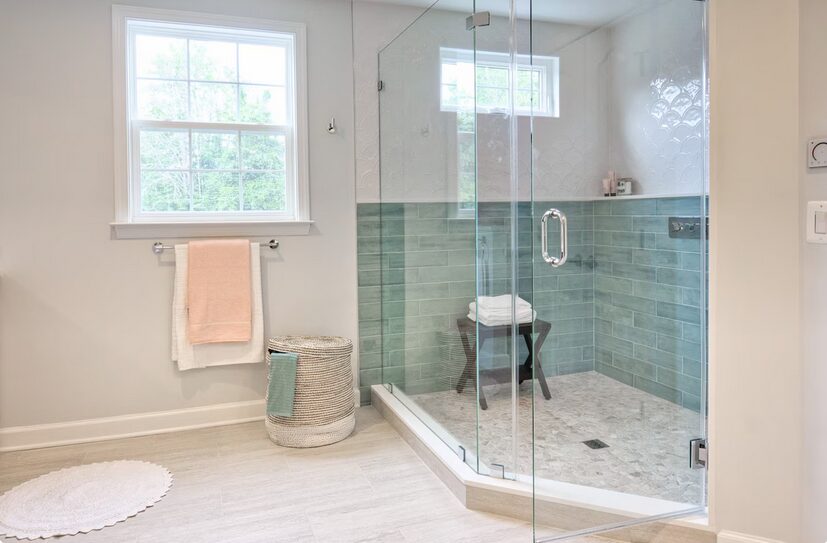
Planning a bathroom remodel is an exciting opportunity to transform one of the most essential spaces in your home into something more functional and stylish. Whether you’re updating outdated fixtures, improving storage, or creating a spa-like atmosphere, careful planning ensures your project meets both practical needs and personal style. For inspiration, homeowners often explore small bathroom laundry room combo layout ideas that maximize space efficiency while keeping the design cohesive. Thinking through details like layout, lighting, and finishes early on makes it easier to avoid costly mistakes. With the right plan in place, your bathroom remodel can add comfort, value, and long-term satisfaction.

Setting a Budget and Goals

The first step in any bathroom remodel is deciding what you want and how much you’re willing to spend. A budget acts like your roadmap, helping you prioritize features such as new fixtures, better storage, or luxury upgrades like heated floors. At the same time, define your goals. Do you want a spa-like retreat or simply a fresh, functional space? Knowing your limits and ambitions upfront prevents scope creep and helps keep the project manageable.

Designing the Layout

layout

Once your budget and goals are clear, focus on the layout. A bathroom’s design should balance aesthetics with function. Consider whether plumbing fixtures need to move, as relocating them can drive up costs significantly. Think about storage, lighting, and how traffic flows in the space. Even small changes can transform the room’s feel. Drawing a floor plan or working with a designer makes it easier to visualize your finished remodel.

Choosing Materials and Fixtures

Your material and fixture choices play a big role in both style and durability. Tiles, countertops, and vanities should fit your budget while enduring daily use. Look for moisture-resistant options that can handle the bathroom’s humid environment. When it comes to fixtures, such as faucets, sinks, and showerheads, balance aesthetics with efficiency. Modern water-saving fixtures not only reduce utility bills but also align with eco-friendly living. Mixing function with style ensures your bathroom feels fresh and practical.

Hiring Professionals or Going DIY

Decide early whether you’ll hire professionals or take the DIY route. Simple updates like painting or replacing hardware may be manageable for many homeowners. If you choose to work with contractors, gather multiple quotes, check references, and set clear timelines. Good communication ensures your remodel stays on track and reduces surprises.

Planning a bathroom remodel from start to finish requires a balance of vision, organization, and smart decision-making. From setting a budget and designing the layout to choosing durable materials and coordinating professional help, each step builds toward a smooth project. With thoughtful planning, the result is a bathroom that feels modern, functional, and customized to your lifestyle. Instead of dreading the process, you’ll be able to enjoy the transformation and the comfort of your refreshed space for years to come.…

Home

Landscape Lighting for Winter: Brighten Your Outdoors During the Cold Months

Winter’s chill can make your outdoor space feel bleak, but there’s a way to bring some life back into it: landscape lighting. During the darker months, landscape lighting isn’t just about aesthetics; it plays a key role in outdoor upgrades that highlight the safety and atmosphere of your home’s exterior.

Whether you’re hosting holiday parties or simply want to add some warmth to your yard, outdoor upgrades like winter landscape lighting are the way to go. But it’s not just about stringing up a few lights; the right approach can transform your entire outdoor space.

Adding Warmth and Ambiance With Proper Lighting

Winter landscapes can feel stark and uninspiring. But with the right lighting, your home’s exterior can glow in the evenings. Consider adding soft, warm lights around pathways, trees, or garden features. These lights can give your outdoor space a welcoming vibe, making it a cozy spot for evening relaxation or a festive environment for seasonal gatherings. Strategically placed lights can also highlight specific features in your garden, such as sculptures, fountains, or architectural details, creating a visual masterpiece even on the coldest nights. Instead of harsh, cold lighting, go for amber or soft white bulbs to maintain a warm, inviting atmosphere.

Highlighting Safety and Visibility

One of the main reasons to invest in winter landscape lighting is for safety. The dark winter months can make it difficult to navigate your property, especially when frost and ice are present. Pathway lights can guide guests safely to your door while preventing any slips or falls. Not only does winter lighting improve the safety of your outdoor areas, but it can also act as a deterrent to potential burglars. A well-lit yard with illuminated entryways signals that someone is home, making your property less appealing to intruders.

bright vision

Choosing the Right Fixtures for Your Space

Choosing the right lighting fixtures for winter requires selecting products that can handle the tough outdoor conditions. Lighting for the outdoors should be sturdy, weatherproof, and capable of withstanding the colder season. LED lights are a great option, as they use less energy and are built to survive even the most extreme weather. For a more refined look, consider adding spotlights to highlight your favorite trees or shrubbery, or uplighting for a dramatic effect. Additionally, low-voltage lighting is a great choice for winter since it provides a soft, glowing effect without being too overpowering. The key is to choose lights that complement the design of your home.

Enhancing Curb Appeal

While DIY landscape lighting can be tempting, there’s a reason why hiring a professional makes all the difference. A professional will understand the balance between form and function, making sure your lights are not only aesthetically pleasing but also practical. Expert lighting installation can also save you time and effort. With professional winter landscape lighting, your property can shine bright even in the darkest days of winter. Whether you want to enhance curb appeal, boost safety, or simply add a touch of elegance to your outdoor space, …

Home

Why Prefabricated Houses Are the Future of Affordable Living

The housing market has undergone significant shifts in recent years, and affordability remains one of the biggest challenges for families worldwide. Rising construction costs, limited land availability, and economic uncertainty have made traditional homeownership increasingly difficult. Prefabricated houses, also known as prefab homes, are emerging as a practical solution that blends affordability with modern design and efficiency. Check out zeitundwert.de for comparison details between prefab and solid houses. As innovation continues to transform the housing sector, prefab homes are quickly gaining recognition as the future of accessible living.

Cost-Effective Construction

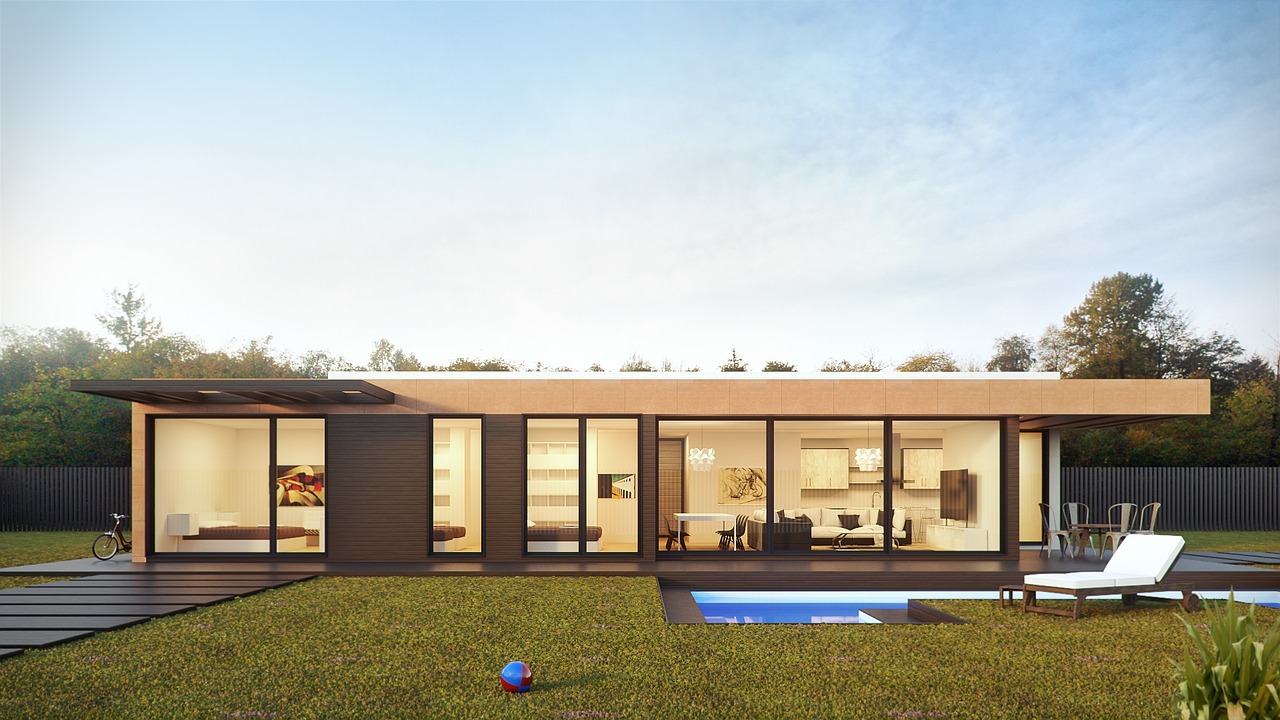
prefab One of the strongest advantages of prefabricated houses is affordability. Unlike traditional builds, where materials and labor costs can spiral out of control, prefab homes are produced in controlled factory environments. This process minimizes waste, reduces delays caused by weather, and ensures standardized quality. Homeowners can save significantly on both time and expenses, making prefab housing a more realistic option for those priced out of conventional markets.


Speed and Efficiency

Prefabricated houses can be constructed much faster than traditional homes. While standard builds may take several months or even years, prefab homes can be assembled on-site in a fraction of that time. For families looking to move quickly, this speed provides a distinct advantage. Faster completion also means lower labor costs, further boosting the affordability of these homes without compromising quality.

Sustainability and Eco-Friendliness

As sustainability becomes a priority, prefabricated housing is leading the way. The controlled production process reduces waste, while many prefab homes are designed with energy-efficient features, such as solar panels, smart insulation, and water-saving systems. These eco-friendly aspects not only reduce the environmental footprint but also lower utility costs for homeowners, making them both a financial and ecological win.

Design Flexibility and Modern Appeal

architecture

Gone are the days when prefab homes were viewed as plain or temporary solutions. Modern prefabricated houses are customizable, offering sleek architectural styles and layouts to suit different needs. From minimalist designs to spacious family homes, buyers can choose options that reflect their preferences. This flexibility allows prefab housing to appeal to a wide range of individuals, from young professionals to retirees.

The Role of Prefab Homes in the Future Housing Market

With urban populations growing and affordable housing shortages continuing, prefabricated houses are well-positioned to play a vital role in the future of real estate. Governments and developers are increasingly recognizing their potential as scalable solutions to housing crises. Their ability to provide cost-effective, eco-friendly, and stylish homes makes them a strong alternative to traditional housing methods.

Prefabricated houses combine affordability, speed, sustainability, and design flexibility, making them a cornerstone of modern housing solutions. As challenges in the housing market persist, prefab homes offer a practical pathway to affordable living without sacrificing quality or comfort. For individuals and families seeking a cost-effective yet stylish home, prefabricated houses are not just a trend but a glimpse into the future of accessible living.…

Home

Ecological Building and the Homes of Tomorrow

Sustainable living has shifted from being a trend to becoming an everyday expectation for homeowners. Reports on wz.de highlight how ecological building is setting a new standard for future housing. People are realizing that eco-friendly choices influence both their comfort and the planet’s health. This shift isn’t only about aesthetics or keeping up with neighbors. Ecological building is reshaping how homes are designed, constructed, and lived in, with long-term benefits for both residents and the environment. It reflects a growing desire for homes that are practical, comfortable, and mindful of the resources they consume.

Materials That Work With Nature

One of the cornerstones of ecological building is the use of renewable or recycled materials. Wood sourced from responsibly managed forests and recycled steel are gaining popularity in construction. These choices lower environmental impact while still offering durability. Synthetic materials, on the other hand, can leave a lasting mark on ecosystems. Builders are moving away from plastics and toxic finishes that harm both indoor air quality and outdoor environments. The shift shows that sustainable doesn’t have to mean fragile.

Energy Efficiency at the Core

Energy-smart designs go hand in hand with ecological construction. Solar panels, green roofs, and triple-glazed windows help reduce dependency on traditional power sources. For homeowners, that often translates into lower monthly bills. Homes are now being built to trap warmth in winter and stay cool in summer without over-reliance on air conditioners or heaters. Architects often place windows strategically to make the most of natural light. Smart placement and efficient insulation turn passive energy use into a daily benefit.

Water Conservation Practices

sprinkler

Water is another resource under pressure, and ecological building takes it seriously. Rainwater harvesting systems are becoming common in both urban and rural projects. These setups collect and filter rain for reuse in gardens or even household systems. Low-flow fixtures in bathrooms and kitchens also play a role. They reduce water waste without compromising comfort. By saving water at home, people contribute to easing strain on larger municipal systems.

Healthier Homes for Residents

Eco-friendly construction isn’t just about the environment; it’s also about people. Using paints free from harmful chemicals improves indoor air quality. Natural ventilation designs keep homes fresh without constant reliance on mechanical systems. A healthier house creates a better quality of life. Families benefit from fewer allergies, less exposure to toxins, and overall improved well-being. Building green isn’t only a global responsibility—it directly impacts daily living.

Looking Ahead to Greener Communities

The future points to entire neighborhoods adopting ecological standards. Shared solar grids, community gardens, and efficient waste systems are starting to pop up in housing developments. What used to sound like a utopia is becoming real brick by brick. As more people demand sustainability, builders and governments are taking notice. Policies, incentives, and even buyer preferences are driving this change. Soon, ecological building will no longer be an exception—it will be the rule.

Ecological building blends smart design with environmental awareness. Through renewable materials, efficient energy systems, water-saving solutions, and healthier …

Home

Why Flowers Matter in Real Estate Staging

When it comes to selling a home, first impressions are everything, and the smallest details often make the biggest difference. Real estate staging is not only about arranging furniture or choosing the right color palette—it’s also about creating an atmosphere that resonates with potential buyers. Flowers play a powerful role in this process by adding vibrancy, warmth, and a sense of life to any space. As highlighted in this article on flowers that convey emotion, different blooms can set distinct moods, from calm and welcoming to bold and energetic. By carefully selecting and placing arrangements, sellers can subtly influence how a home feels and how buyers connect with it. Ultimately, flowers aren’t just decorations; they are emotional cues that can transform a staged home into a space where someone can imagine their future.

Flowers Create an Inviting Atmosphere

flower

Walking into a house that features thoughtfully placed flowers instantly makes the space feel warm and welcoming. Flowers add vibrancy, softening the look of rooms that might otherwise appear cold or impersonal. This inviting touch can help buyers imagine themselves living in the space, increasing the emotional appeal that often drives purchase decisions.

They Highlight Key Features of a Home

Flowers aren’t just about aesthetics; they can be used strategically to draw attention to the property’s best features. A vase of lilies on a kitchen island highlights the spaciousness of the area, while orchids in a bathroom can emphasize luxury and elegance. By carefully placing flowers, real estate agents and stagers guide buyers’ eyes to the details that matter most.

Fresh Flowers Signal Care and Attention

A staged home is more than furniture placement—it reflects how well a property has been maintained. Fresh flowers subtly communicate that the homeowner cares about presentation and detail. This perception often extends to the home itself, suggesting it has been equally well cared for, which reassures potential buyers about the property’s overall condition.

They Enhance Property Photos and Listings

flower

In today’s real estate market, online listings are often the first point of contact between buyers and homes. Flowers can make listing photos more visually appealing by adding pops of natural color and texture. This not only improves the aesthetic quality of the photos but also helps the property stand out from others on crowded real estate platforms.

Flowers Influence Mood and Perception

Studies show that flowers can positively impact mood, reducing stress and creating feelings of happiness. In a real estate setting, this means buyers walking through a flower-filled home are more likely to associate it with positive emotions. The psychological boost from flowers can make a property feel more memorable and increase the chances of buyers forming a favorable impression.

Flowers may seem like a small detail in real estate staging, but their impact is anything but minor. They enhance visual appeal, highlight a home’s best features, create a welcoming environment, and even influence buyers’ emotions. Whether displayed in photos or during open houses, flowers add an extra layer of charm and sophistication that …

Home

Tips to Style a Farmhouse Entrance Table Like a Pro

The entryway sets the tone for your home, so it’s crucial to make a strong first impression. One simple yet impactful way to achieve this is by styling a farmhouse entrance table. If you’re looking for a few fresh ideas to revamp your space, this guide to entry table styling is charming and packed with inspiration to help you get started.

Start with the Table Itself

furniture Your farmhouse entrance table is the foundation of your design, so pick a piece that aligns with your overall aesthetic. A reclaimed wood table works wonderfully for a more traditional farmhouse look. For a lighter vibe, consider a whitewashed table with simple lines. Keep in mind that the table doesn’t have to be oversized to make an impact. A small, well-chosen table can fit seamlessly into your entry while offering ample space for decorations.

Layer With Decorative Elements

The key to a stunning farmhouse table setup is layering. Start with a neutral base, think a soft linen runner or a vintage-inspired tablecloth. This adds texture without overwhelming the space. Then, add a few statement pieces. A large mirror is a classic farmhouse touch, reflecting light and creating a sense of openness. Consider a vintage vase or a rustic lantern to enhance the rustic vibe. The goal is to balance functionality with beauty, so avoid overcrowding the table with too many items.

Incorporate Greenery and Natural Elements

signage

No farmhouse entryway is complete without a little greenery. A few sprigs of eucalyptus, a small potted plant, or even a large leafy houseplant can breathe life into your entrance. Opt for earthy tones and textures that complement the natural materials in your space. Plants aren’t just visually appealing; they also contribute to the calming atmosphere that farmhouse decor is known for. Make sure your plants are easy to maintain so that your entryway remains low-maintenance but vibrant.

Add Personal Touches for a Warm Welcome

What’s more inviting than personal touches that reflect your personality? Farmhouse décor thrives on sentimentality and warmth, so include a few items that tell your story. A family photo in a vintage frame, a handmade candle holder, or a beautifully designed guestbook are all great options. These small, meaningful pieces make your entry feel like a place where guests are truly welcomed.

Keep Practicality in Mind

rack While style is important, function should also play a role in your design. A farmhouse table isn’t just for decoration; it’s meant to serve a purpose, too. Use a tray to hold your keys or a bowl for small change. You can even incorporate storage baskets underneath the table to keep shoes or other essentials out of sight. The beauty of farmhouse décor is that it merges practicality with charm, so find ways to make the most of your entry table without compromising on style.

A carefully styled farmhouse table can transform your entryway into a warm, welcoming space that speaks to your taste and hospitality. Keep it simple, functional, and true to your personal style, and …

Home

Beat the Heat With Style: Choosing a Patio Cover That Works in San Diego

Sunny days in San Diego are pretty much the norm. That’s a dream, until your patio becomes a frying pan by noon. Suddenly, sipping iced tea outside feels like sitting on the surface of the sun. That’s where a well-thought-out patio cover changes the game. If you’re considering a custom designed option, you’re already on the right track.

Your Patio’s Microclimate Matters More Than You Thinkpatio

Sure, San Diego weather sounds perfect on paper. But microclimates are a real thing. Your neighbor’s covered patio might thrive with a light fabric canopy, while yours turns into a sauna by 3 p.m. South-facing patios get blasted by sunlight all day.

West-facing? That late afternoon glare is unforgiving. If your space bakes, you need coverage that blocks heat without killing airflow. Look for materials that don’t trap heat. Aluminum, treated wood, or smart paneling can help reflect the sun without making the space feel like a stuffy box.

Don’t Just Copy What’s Trending on Pinterest

Yes, pergolas are cute. But do they work for your setup? Those slatted designs may look dreamy in photos, but in the wrong location, they do little to block real heat or rain. Before falling for aesthetics, ask yourself: Will it actually make my patio more usable? That’s the end goal. A good patio cover should make your outdoor space functional, not just photogenic.

Think About the People, Not Just the Patio

people

This isn’t just about the structure. It’s about how you use the space. Is this your morning coffee zone? Your weekend BBQ hotspot? A kids’ play corner? The answer changes everything. A covered space for guests needs shade, but also airflow and lighting. A peaceful corner for reading might benefit from quieter materials or a semi-open design that lets in soft light. One size never fits all, especially outdoors.

Rain Happens Too, Sometimes All at Once

Let’s not pretend it never rains in San Diego. Flash showers are a thing, especially in late winter. If you pick a patio cover that can’t handle water runoff, prepare for puddles, stains, or worse, wood rot. Anything sloped, waterproof, or properly sealed can save you a headache. A good drainage setup doesn’t need to be fancy. Just effective. Think of it as a gutter for your patio’s comfort.

You Don’t Need a Mansion to Get It Right

wooden table

Patio envy is real, but don’t let that stop you. You don’t need a massive backyard to make a cover work. Small patios can still feel airy and open with the right design. Compact retractable shades or minimalist awnings do wonders when space is tight. Size should guide your choices, not limit your creativity.

A patio cover in San Diego isn’t just about looking good. It’s about making your outdoor space livable, even when the sun turns savage or the wind picks up. So forget about just picking what’s popular or polished. Choose something that works, practically, personally, and yeah, maybe a little bit pretty too.…